If you are searching for window repair Cottage Grove MN homeowners can trust, start by identifying what is actually failing. A crack in the glass, fog between panes, a loose sash, damaged trim, and water around the opening can look similar from across the room but call for different next questions. This guide gives you a practical first check for the glass, seal, frame, and installation area before you request an assessment.
Contact Referred Restoration online to share what you have found and ask about the next step. You can also call (763) 726-4245.
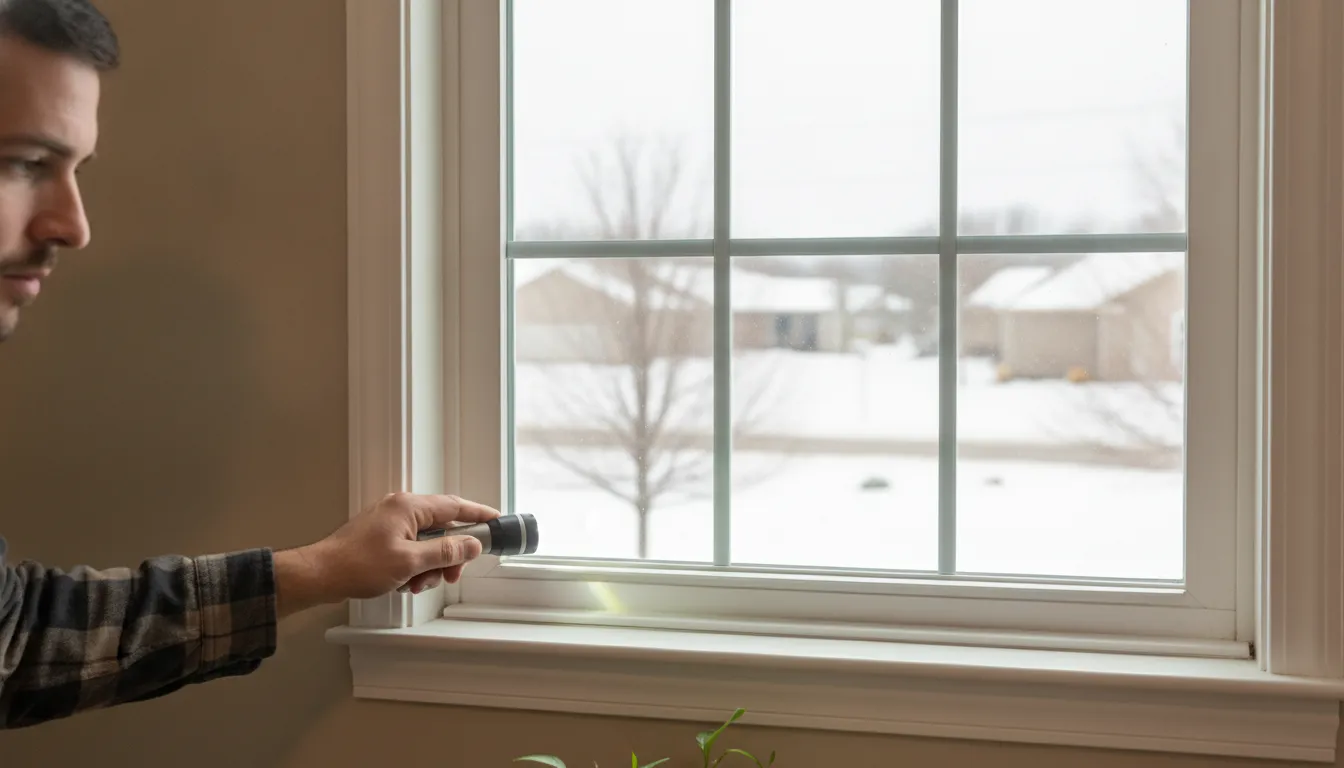
Start with safety, location, and timing
Before testing a window, make the area safe. Keep children and pets away from cracked or shattered glass. Do not press on a damaged pane, force a stuck sash, or climb onto a roof or exterior ledge to inspect a window. From the ground, a driveway, or inside the room, take notes about what you can see without putting yourself at risk.
Record three simple details:
- Where is the symptom? Note whether it is on the glass, at the edge of the sash, on the frame, or on the wall and trim around the opening.
- When does it appear? Write down whether it follows rain, a cold night, strong wind, indoor humidity, or a change in season.
- What changed? A new crack, a window that suddenly will not latch, and a stain that has slowly grown each point to a different starting question.
Photograph the whole window first, then take closer images of the symptom. Include a familiar object for scale when it is safe to do so. These photos can help a professional understand the issue before an in-person look, but they do not replace an assessment of hidden damage or the installation opening.
1. Check the glass without touching a damaged pane
Look at the glass from an angle and in changing light. A crack that begins at an edge, a star-shaped impact mark, a chip, or a long line across a pane should be documented. If the glass is broken, keep the sash closed if it can close safely and avoid trying to remove fragments. Temporary coverings should not put pressure on the pane or hide the damage from someone who needs to inspect it.
Also note whether the problem affects one pane or several. A single damaged pane may lead to a glass-focused question, while cracks in multiple windows after a storm may call for a wider review of the exterior and the surrounding openings. Do not assume that a visible crack is the only issue. The frame, sash, glazing, and adjacent trim may need to be checked as well.
If the glass is intact but the window looks cloudy, determine where the haze is located. Wipe the room-side surface with a clean, dry cloth. If the haze remains between the panes of insulated glass, it may indicate a failed seal rather than ordinary room condensation. If it disappears when the surface is wiped, the next question is why moisture is forming on that surface.
Referred Restoration’s window repair service page describes glass and frame repair, replacement, and storm-related window work. The page is a useful starting point for understanding the types of window concerns a professional may review, while this guide focuses on what to document first in Cottage Grove.
2. Check the seal and separate condensation from a failed seal
Moisture on a window does not automatically mean the window needs to be replaced. First identify the surface. Condensation on the room-side glass can be related to indoor humidity, cold outdoor temperatures, airflow, curtains, or furniture blocking circulation. Moisture between insulated panes is a different symptom because it is inside the sealed glass unit. Water at the lower corner, sash edge, or trim can point to a drainage, seal, or installation question.
Check the pattern at different times, but do not create unsafe conditions just to test it. On a cold morning, look for water on the interior surface and note whether it is on one window or several. After rain, look at the sill and adjacent trim from inside. If the stain returns after precipitation, record the weather and the location rather than simply applying a new bead of caulk.
The U.S. Department of Energy’s Building Science Education guidance on fenestration explains that windows are part of the building envelope and that properly selected and installed systems affect comfort and energy performance. That is why a moisture symptom should be traced to the glass, seal, frame, drainage path, or installation instead of being treated as a surface-only problem.
Useful observations include:
- Fog or haze that remains between panes after the room-side surface is cleaned.
- Water that appears on the same sill or trim after rain.
- Peeling paint, soft wood, staining, or a musty area around the opening.
- A draft that is strongest at the sash edge, lock, trim, or wall joint.
- Condensation that occurs only during very cold weather and clears when indoor humidity or airflow changes.
Do not diagnose hidden mold, structural damage, or a failed flashing detail from a photograph alone. Note the evidence and ask for the source to be checked.
3. Check the frame, sash, and operating hardware
Open and close the window only if it moves without unusual force. A sash that sticks, drops, will not stay open, or no longer latches can have an issue with hardware, alignment, the frame, or the opening around it. Record the exact action that fails: does the lock not meet, does the lower sash rub at one corner, or does the window close but leave a visible gap?
Inspect the frame and sash edges from inside the room. Look for swelling, splitting, soft spots, peeling finishes, loose joints, or a frame that appears out of square. Around the exterior, inspect only from a safe standing position. Check for separated trim, gaps, damaged cladding, or missing sealant, but do not cover a suspected water path before it is understood.
Hardware symptoms can be easy to overlook. A loose handle, worn balance, damaged hinge, or latch that does not pull the sash tight can create drafts and make a sound window feel like a larger failure. Ask whether the hardware can be serviced separately and whether the frame remains square and sound. The answer may affect whether a focused repair is reasonable.
For a broader look at the repair-versus-replacement question, read Window Repair Rogers: Repair or Replace?. That guide covers glass, sash, frame, moisture, storm damage, and repeated problems. The Cottage Grove checklist here is narrower: it helps you collect the observations needed before that decision is made.
4. Check the installation area, trim, and wall around the window
A window is not only the glass and the moving sash. The opening, sill, trim, flashing, sealant, and adjacent wall all influence whether water and air stay outside. Look for a stain that extends into drywall, cracked caulk at a corner, or a draft that seems to come from the wall joint rather than the sash. A line that follows the top or side trim is useful to document.
Compare the affected opening with another window in the same room or on the same side of the home. Similar symptoms on several windows may point to a shared exposure, indoor humidity pattern, or installation age. A single opening with localized staining may call for a more targeted inspection. This comparison does not identify the cause by itself, but it creates useful context.
Do not rely on a fresh layer of caulk as a complete repair. Caulk can conceal a symptom while water continues behind trim, and it cannot correct a damaged frame or a window that is out of alignment. Photograph the area before making changes. If you already made a temporary repair, record what material was used and when.
For Cottage Grove homeowners, the local service page for roofing and exterior restoration in Cottage Grove includes a window repair and replacement section. It can help you confirm the local service context before you contact the company, while your notes and photographs help keep the conversation focused on the window issue you actually see.
Use this first-check table to organize your notes
| What you notice. | What to check first. | Question to ask next. |
|---|---|---|
| Cracked, chipped, or shattered glass. | Photograph the pane from a safe position and note whether the frame or sash is also damaged. | Can the glass be addressed separately, or does the surrounding unit need review? |
| Fog or haze between insulated panes. | Clean the room-side surface and confirm whether the haze remains between the panes. | Is the sealed glass unit the issue, or is there another moisture source? |
| Water on the sill or trim after rain. | Record the weather, exact location, stain pattern, and whether the symptom returns. | Could the water be coming through the window, trim, flashing, or nearby exterior? |
| Draft near the sash or lock. | Check whether the window closes and latches evenly without forcing it. | Is the gap related to hardware, alignment, weatherstripping, or the frame? |
| Sticking, rubbing, or a sash that will not stay open. | Note which corner rubs and whether the problem changes when the lock is engaged. | Can the hardware or balance be serviced, or is the frame no longer square? |
| Soft trim, peeling finish, or a growing stain. | Photograph the area and avoid covering it before the source is checked. | Is there hidden moisture or deterioration that extends beyond the visible trim? |
How Window Repair in Cottage Grove, MN Can Become Replacement Work
The first check should not force a decision. A repair conversation may make sense when the problem is limited to a component and the frame and opening remain sound. A replacement conversation may deserve attention when the same opening has recurring moisture, widespread deterioration, poor fit, or several symptoms that point to a larger failure. The right path depends on the condition of the whole assembly, not on one symptom in isolation.
It is also reasonable to compare the affected window with the rest of the home. Count how many openings have drafts, fog, operation problems, or visible deterioration. Note whether the windows are the same age and type. If only one unit is affected, a focused inspection may be the clearest next step. If many openings show similar performance concerns, ask how a broader plan would differ from a single-window repair.
For background on Minnesota window replacement decisions, see the guide to signs you may need new windows and the Minnesota home window replacement planning guide. Those resources cover broader replacement signals. This article is meant to help you gather evidence before deciding which resource or service conversation fits.
Prepare for a window repair assessment in Cottage Grove
Bring a short symptom timeline rather than trying to remember every detail during the visit. Include the room, window location, approximate age if known, dates of visible changes, recent storms or precipitation, and any temporary work. Add the photos in an order that starts with the whole wall and ends with close-ups.
Measure only what you can measure safely and consistently. A rough visible opening measurement can be useful for notes, but do not remove trim or take apart the window to obtain a dimension. The guide on how to measure for replacement windows explains the difference between visible measurements and the information a professional may need for planning.
Before the assessment, clear objects from the sill and the floor near the window. Keep curtains or blinds accessible, and identify any rooms below or beside the opening that have stains. If the issue followed storm damage, document the date and the visible exterior impact without climbing or entering a hazardous area.
Questions to ask before work begins
- What part of the window or opening appears to be failing?
- Is the recommended work limited to glass, hardware, sealant, frame components, or the full unit?
- What evidence supports that scope, and what conditions would change it?
- How will the surrounding trim, wall, and installation area be checked?
- What temporary steps are safe while the work is being planned?
- How will the replacement or repair be tested for operation, drafts, water management, and cleanup?
- Which product, workmanship, and installation details should be kept with the home records?
For practical preparation, you can also review the window replacement process guide and the Minnesota window screen guide. They address different projects, but both can help you separate a small component question from a larger window project.
Contact Referred Restoration online with your photos, location, and symptom timeline, or call (763) 726-4245 to ask what information will help with the next step.
Frequently asked questions
What should I check first when a window is leaking?
Start by noting where water appears and when it returns. Check the sill, lower corners, trim, and adjacent wall from inside after rain, then document the exterior only from a safe position. Do not assume the visible stain identifies the entry point, and do not seal over the area before the source is evaluated.
Can foggy window glass be repaired?
First determine whether the fog is on the room-side surface, the exterior surface, or between insulated panes. Surface condensation can have different causes from moisture inside a sealed glass unit. A professional can assess whether the issue is limited to the glass unit or connected to the sash, frame, or opening.
Is a stuck window always a replacement problem?
No. A stuck sash can relate to hardware, alignment, swelling, a balance, or the frame. Note where it rubs, whether the lock engages, and whether the window moved differently in the past. Avoid forcing it because that can create additional glass or hardware damage.
Should I replace one window or several?
That depends on the condition and pattern of the symptoms. Count the affected openings, compare their age and type, and note whether they share drafts, fog, moisture, or operating problems. A focused inspection can help distinguish an isolated repair from a broader project.
What should I bring to a Cottage Grove window assessment?
Bring whole-window and close-up photos, a symptom timeline, safe measurements if available, notes about rain or cold-weather patterns, and questions about the proposed scope. Mention any temporary caulk, coverings, or hardware adjustments so the person assessing the window has an accurate history.
Contact Referred Restoration online to discuss what you found and request the appropriate next step for your Cottage Grove home. Call (763) 726-4245 if you prefer to speak with the team.