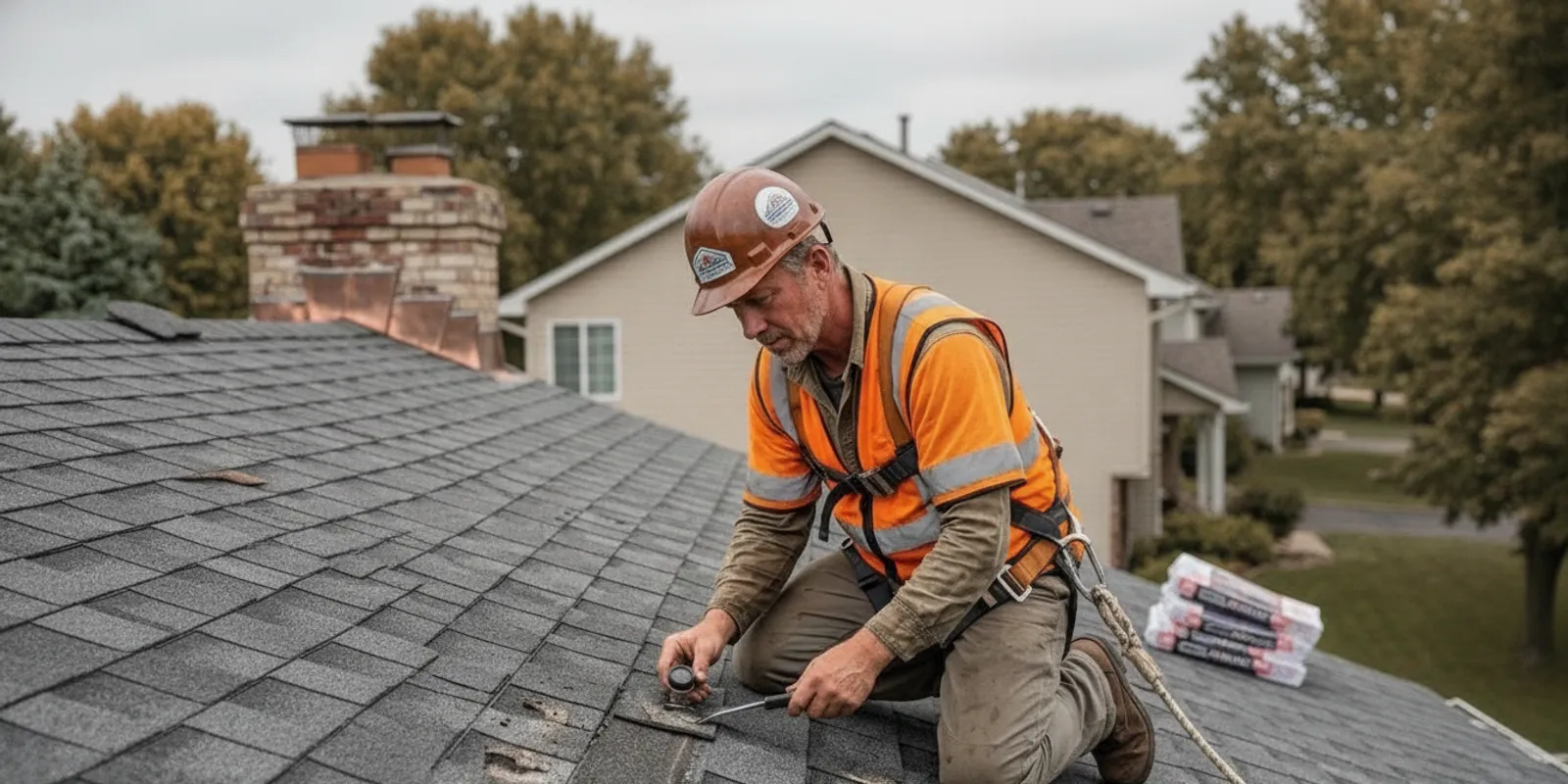
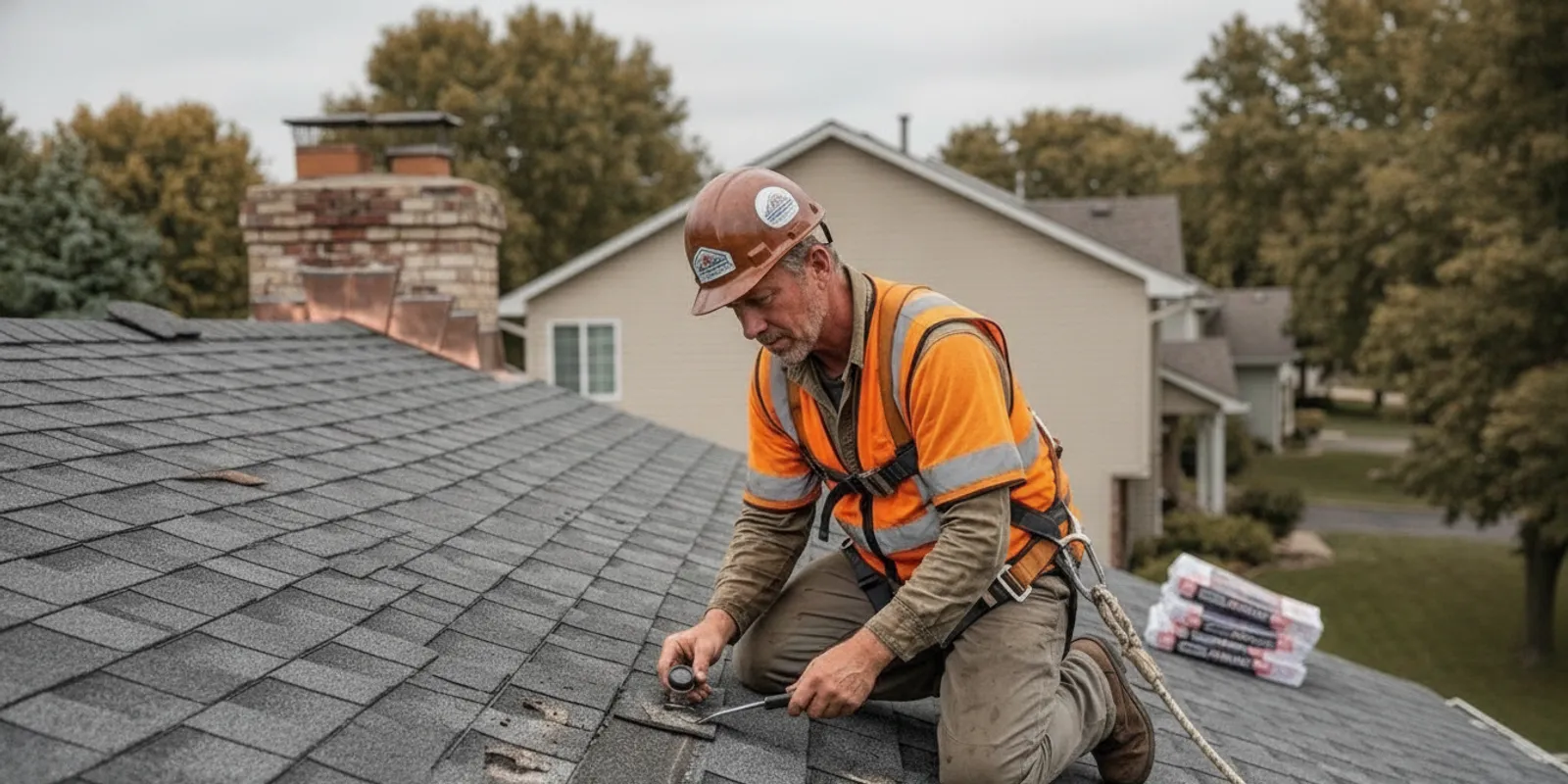
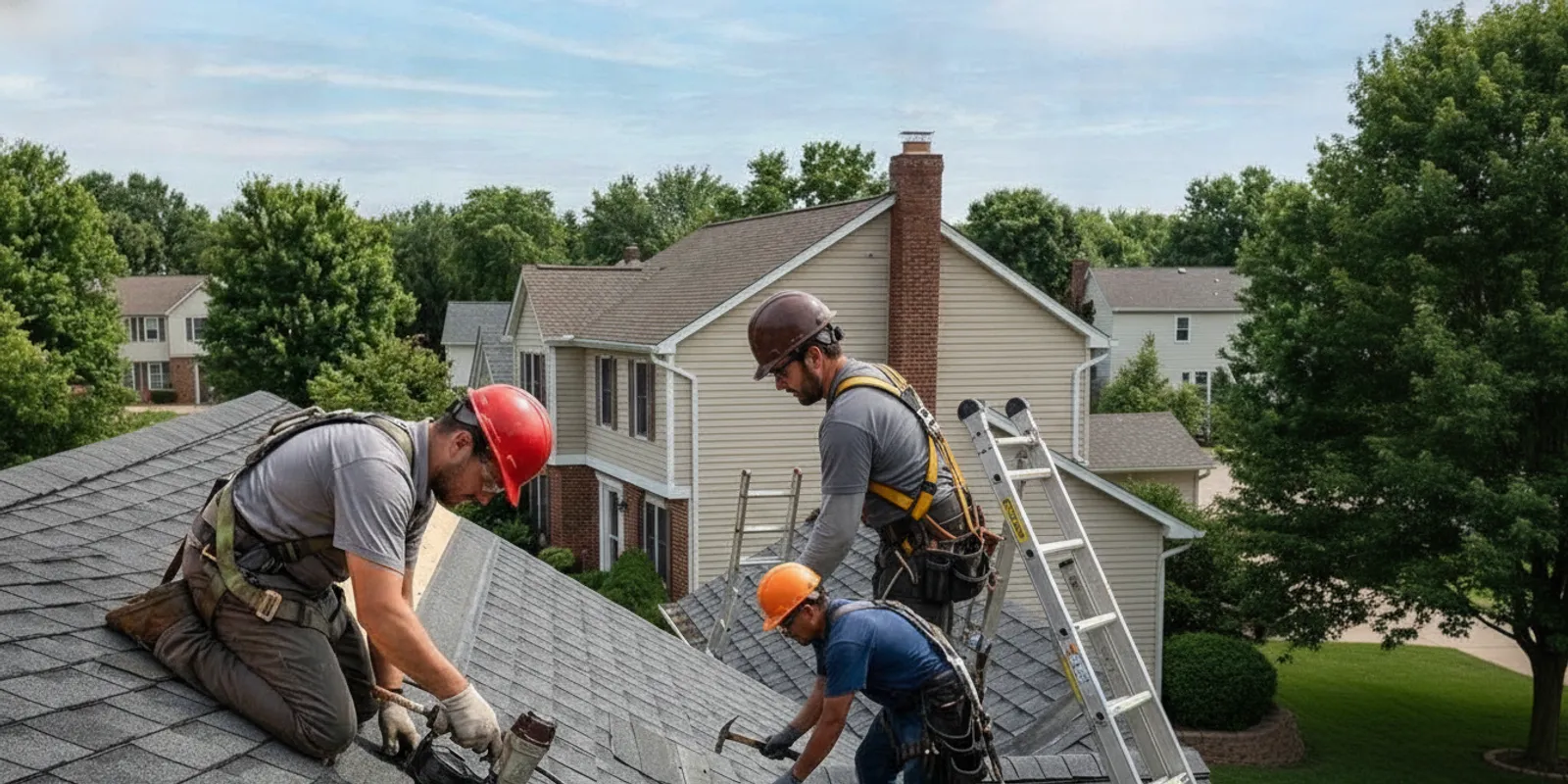
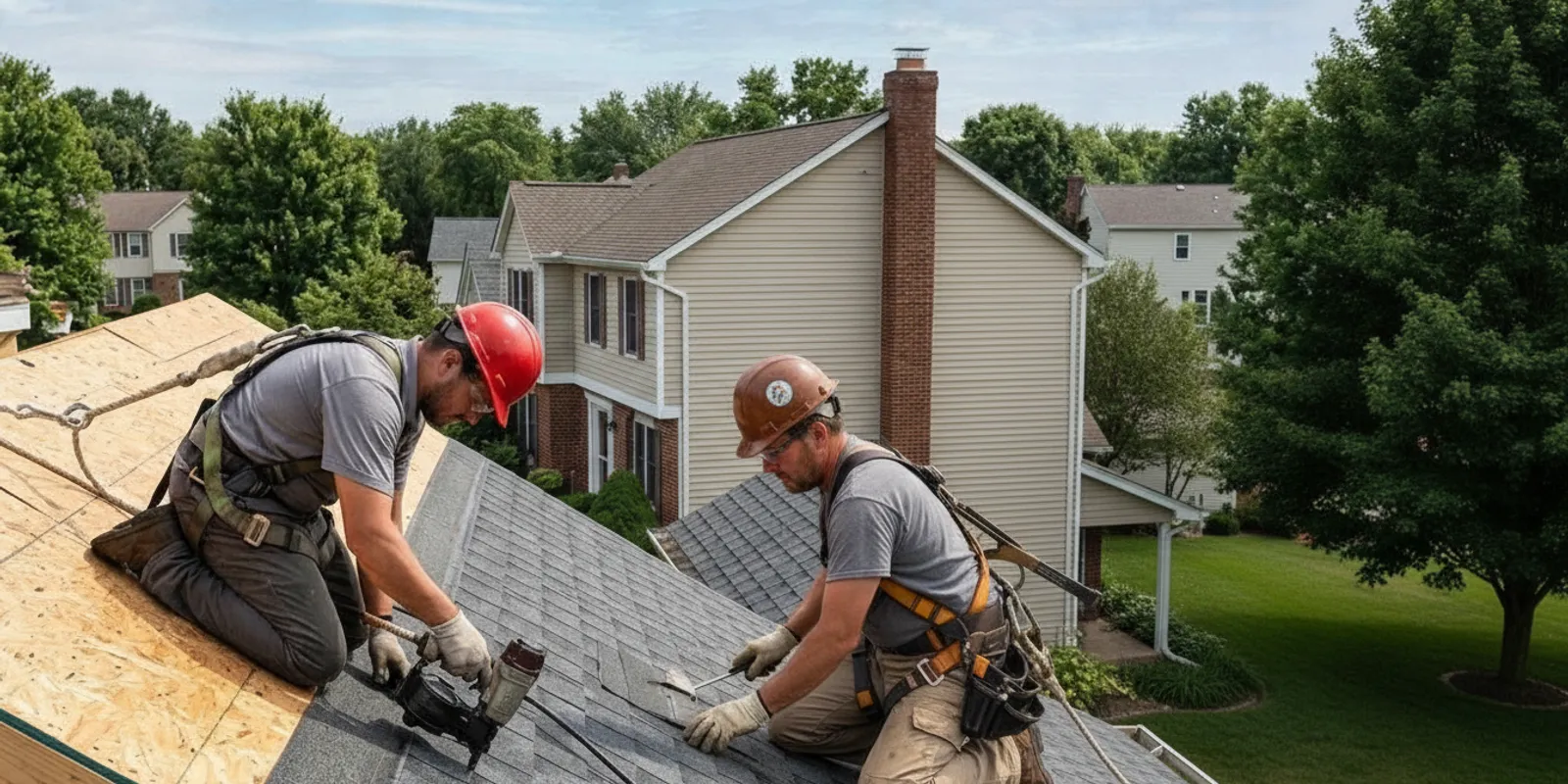
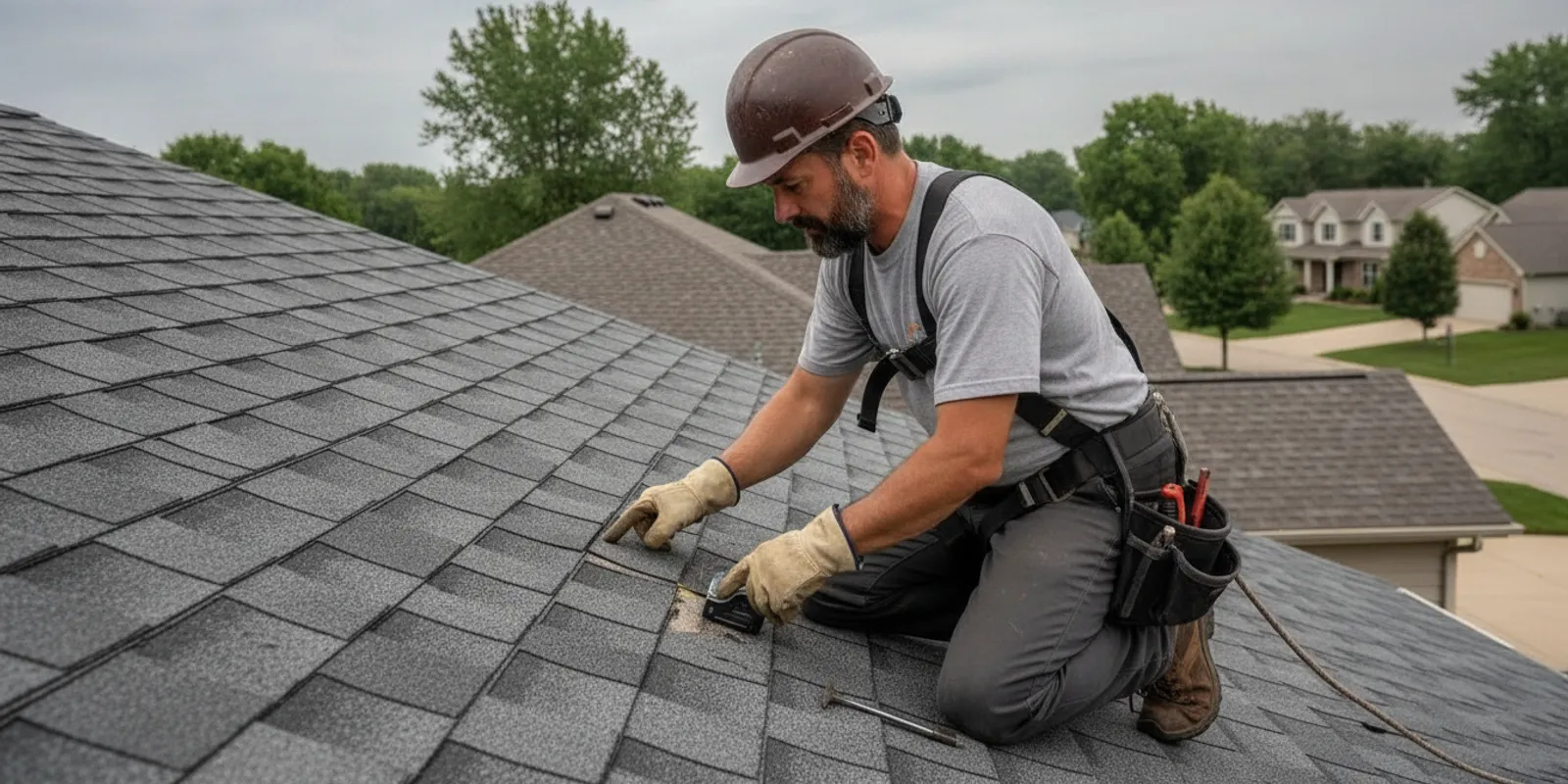
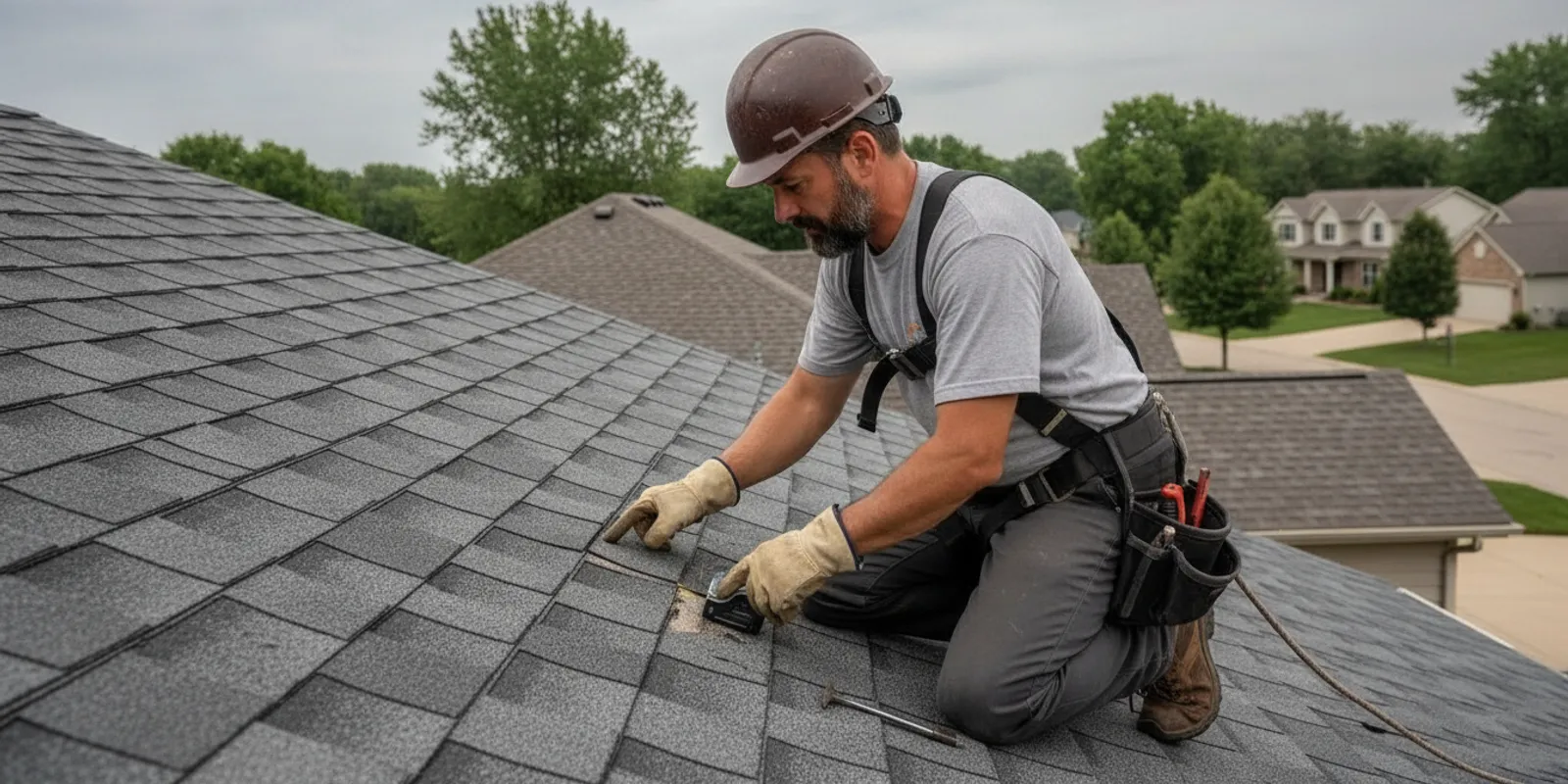
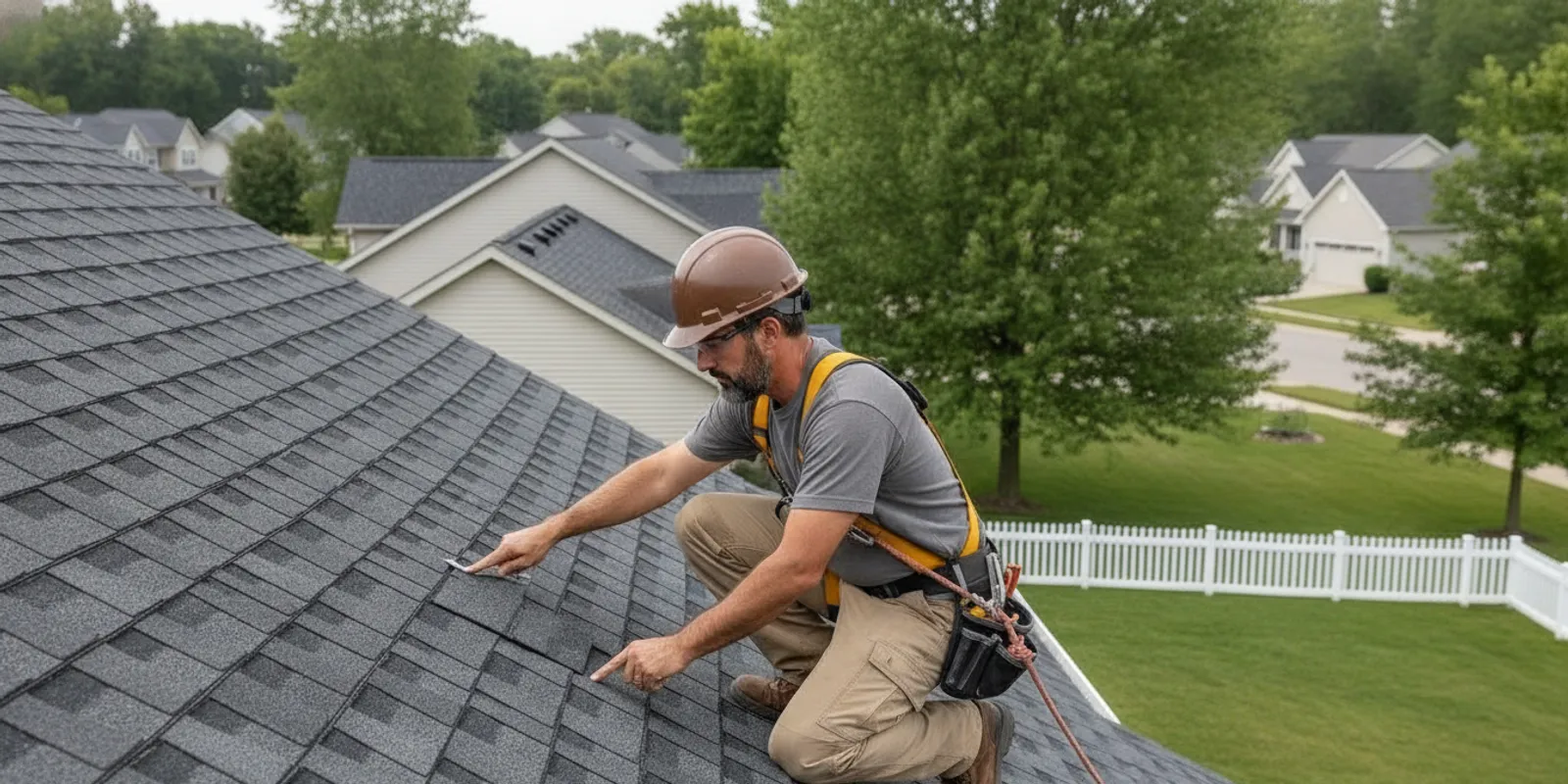
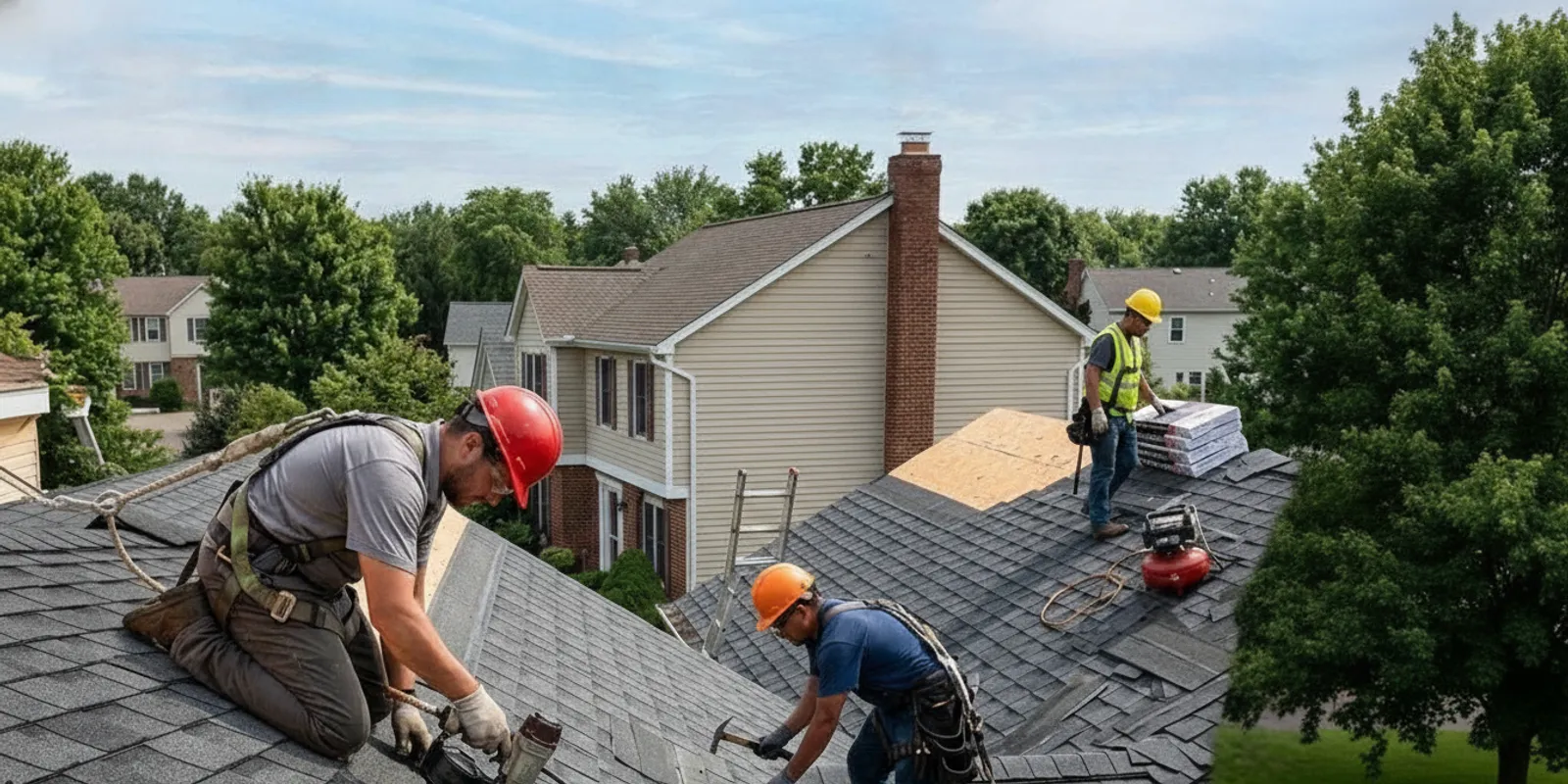
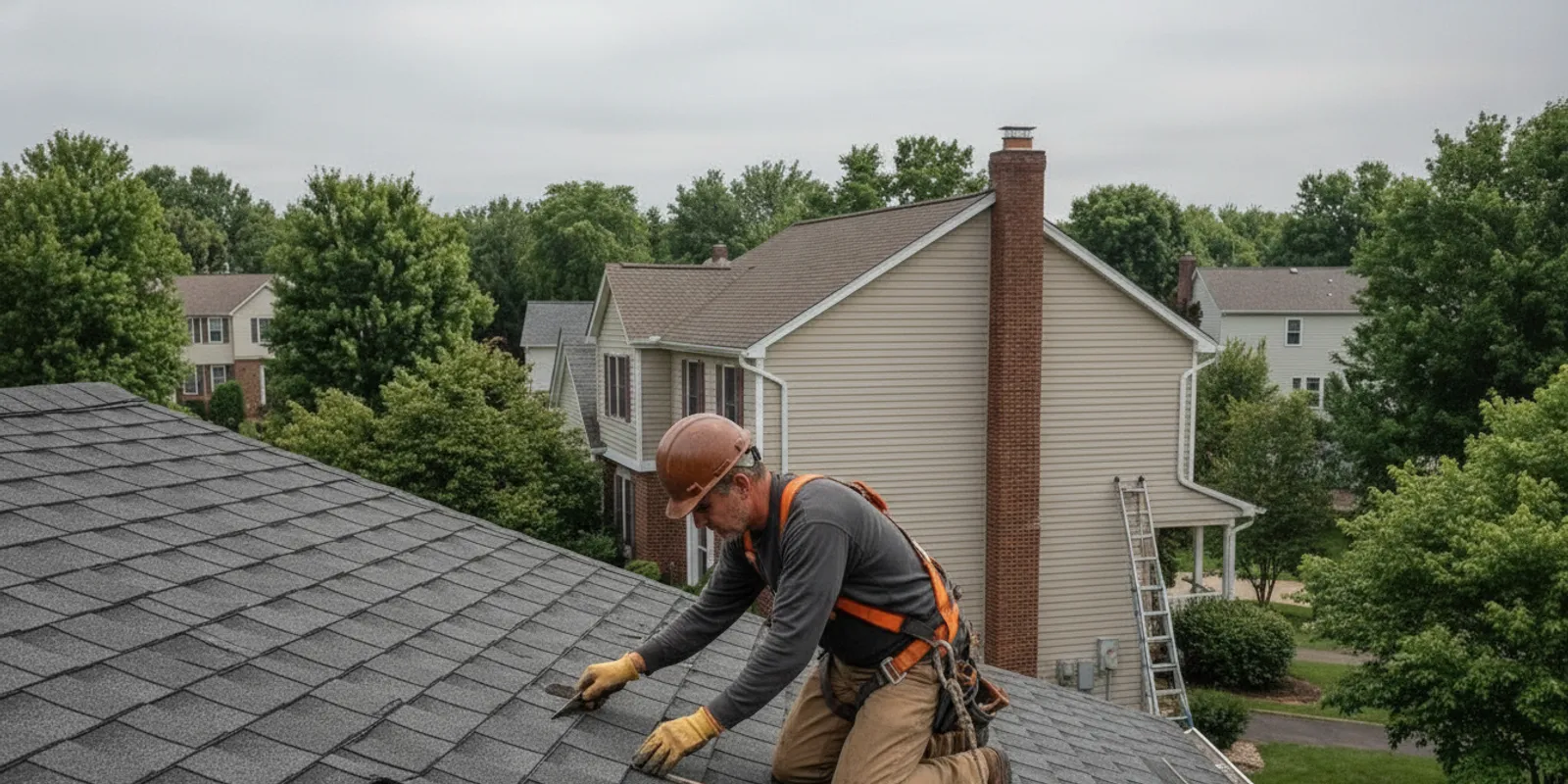
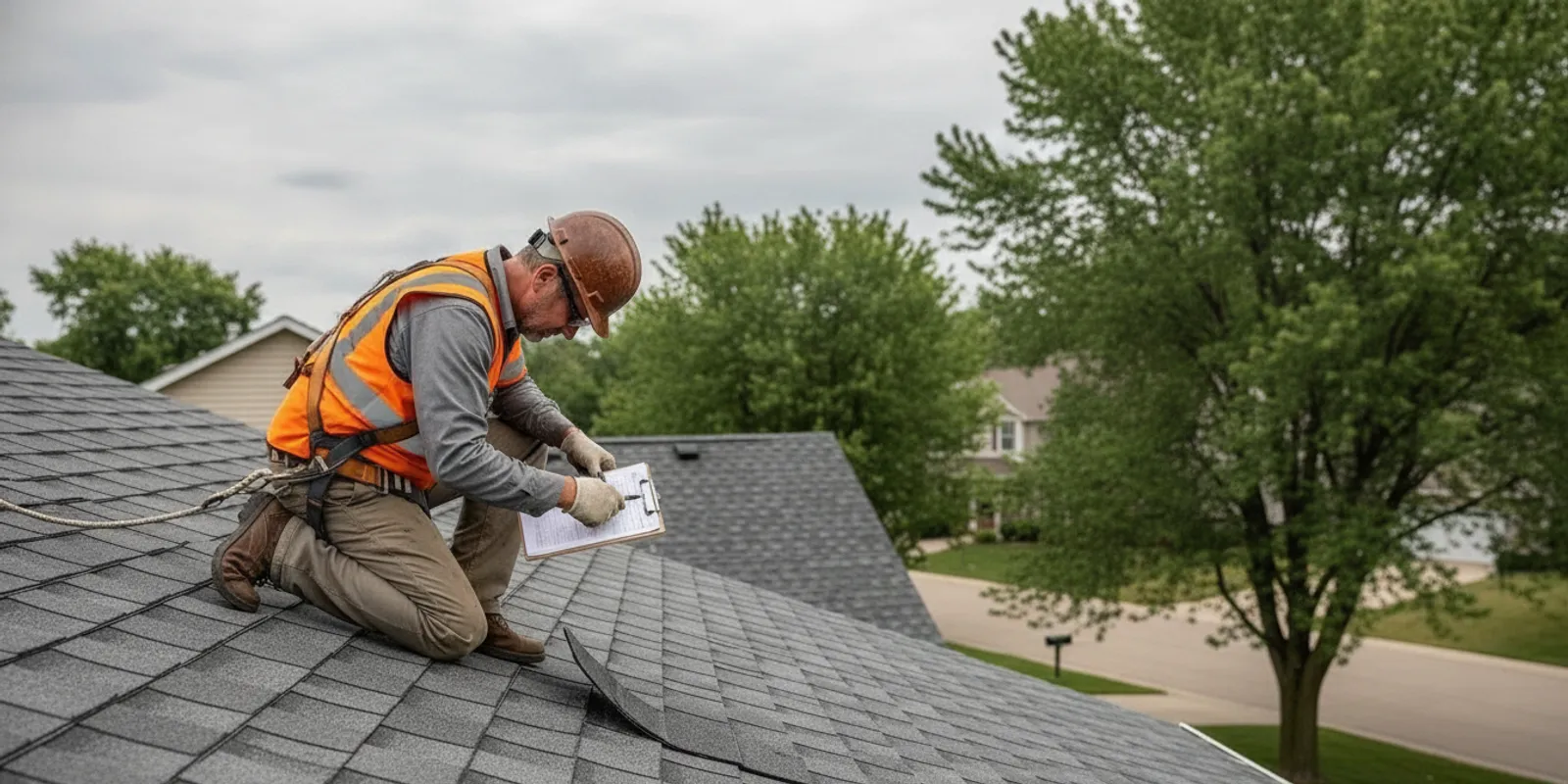
Choosing a roofing contractor in Shoreview starts with more than a search result. Minnesota roofs face wind, hail, snow, ice, and repeated freeze-thaw cycles, so the right fit should explain what they found and why the recommended work fits your roof. Also ask how the project will be managed. Referred Restoration is based in Rogers, with documented work in nearby communities, but Shoreview is not specifically listed in the available company details. Confirm that your address, project type, inspection, and follow-up needs are within the contractor’s current service area.
Contact Referred Restoration online
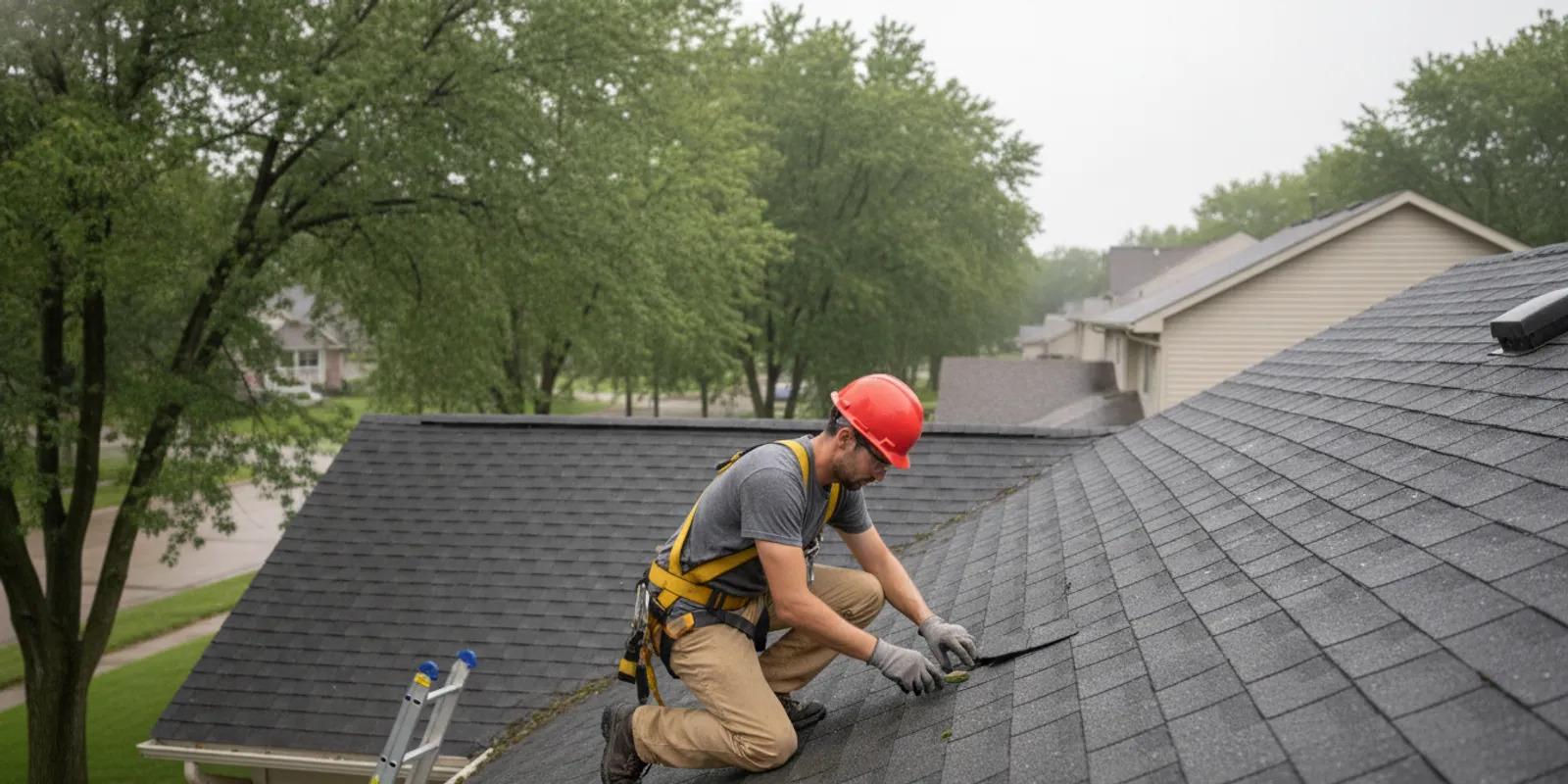
When comparing a roofing company in Shoreview MN, verify service-area coverage first, then request a property-specific inspection and written scope. Compare the proposed materials, repair or replacement reasoning, communication plan, documentation, and warranty terms rather than relying on rankings or general promises.
A practical evaluation also gives you a clearer way to compare contractors. Start by confirming location and project fit, then examine the inspection evidence and proposal details closely before discussing installation and follow-up.
What should you verify before hiring a roofing company in Shoreview, MN?
Start by confirming geographic fit before comparing recommendations. Referred Restoration is a residential exterior restoration contractor based in Rogers, Minnesota. Its documented market includes Rogers and surrounding communities such as St. Francis, Monticello, and Cottage Grove, but Shoreview is not specifically listed in the available company details. If you are considering Referred Restoration, ask directly whether your Shoreview address and project type are currently accepted. Do not assume that work in a nearby community means a contractor can inspect, complete, or follow up on every Shoreview project.
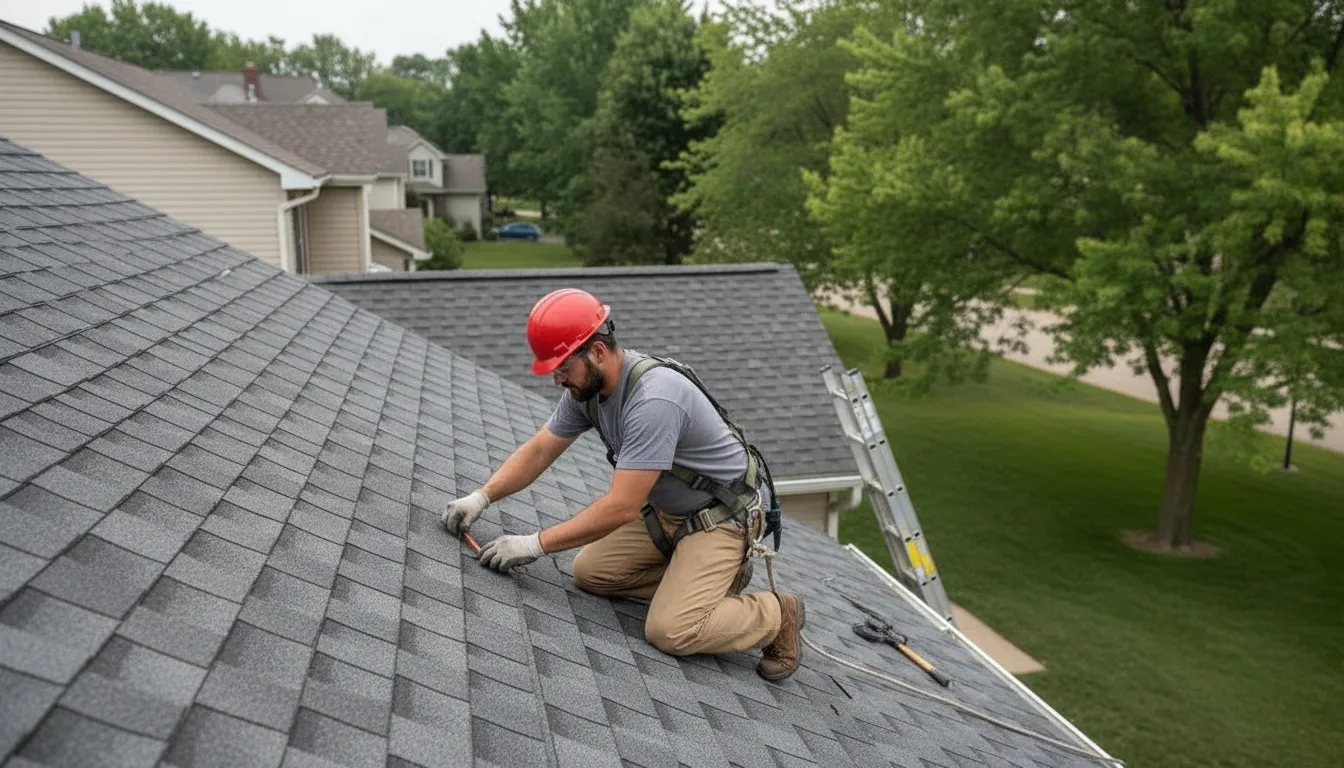
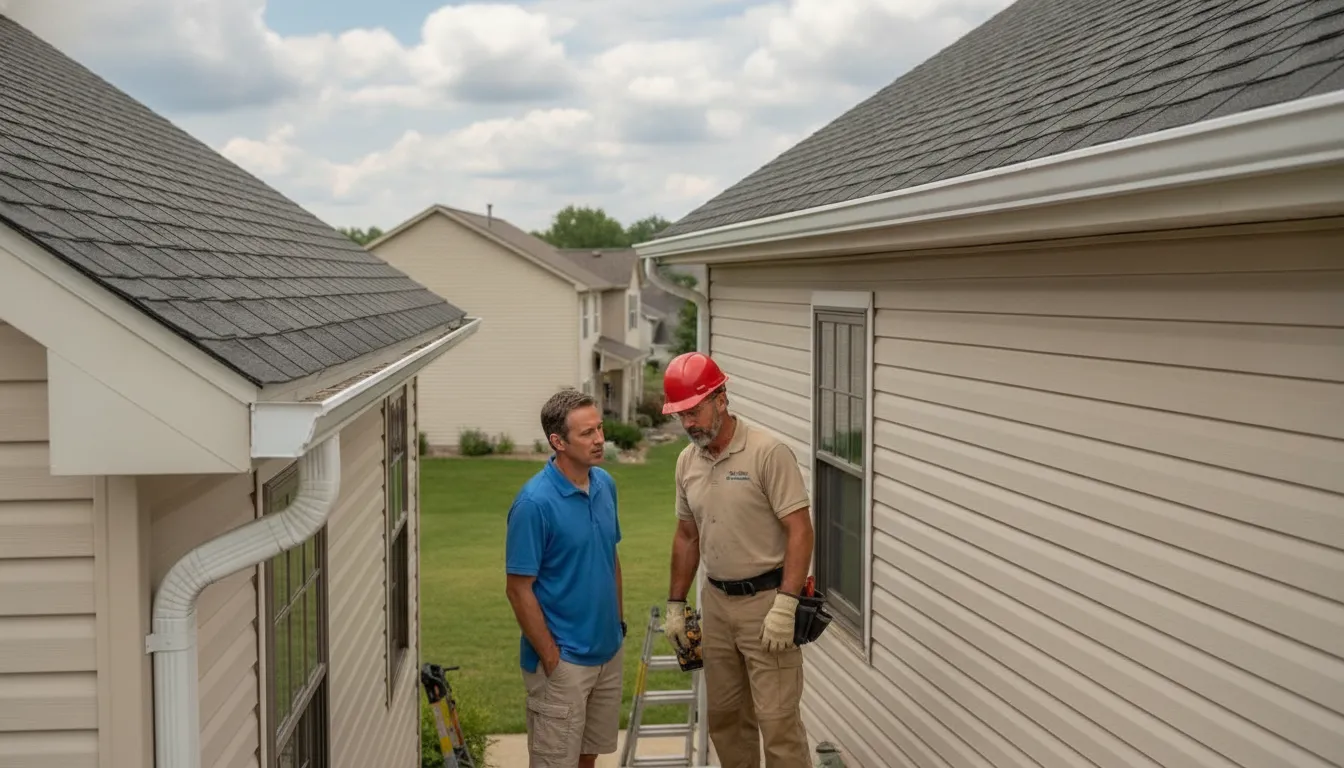
Then make the first conversation useful. Explain whether you need a leak assessment, storm-damage review, repair, or replacement, and ask what the inspection will cover. Minnesota roofs face wind, hail, snow, ice, and freeze-thaw conditions, so the recommendation should connect observed conditions with the proposed work. Referred Restoration documents a three-step process of a free inspection, a custom solution, and professional installation. Its roofing services include inspections, repairs, replacements, new construction installation, and storm-damage restoration. The Rogers roofing service page can help you understand the company’s documented roofing offerings, but it does not replace confirmation of Shoreview availability.
Use this short checklist when contacting any contractor:
- Confirm the address: Ask whether the contractor currently serves your exact Shoreview address and can support the project through follow-up.
- Describe the need: Share whether the concern involves a leak, storm damage, repair, replacement, or another roofing issue.
- Clarify the inspection: Ask what can be safely reviewed, what findings will be documented, and how the recommendation will be explained.
- Review the proposed solution: Request a clear written scope that identifies the work, materials, sequence, exclusions, and communication plan.
- Confirm the next step: Ask when you will receive the findings, who will answer questions, and how project follow-up will work if conditions change.
Prepare the property address, any known roof age, visible symptoms, and the approximate date of a recent storm before you call. You do not need to diagnose the roof yourself. Clear details simply help the contractor determine whether the inspection and proposed solution fit the property. A responsive, specific answer about location and process is more useful than a broad service-area statement.
What should a professional roof inspection include?
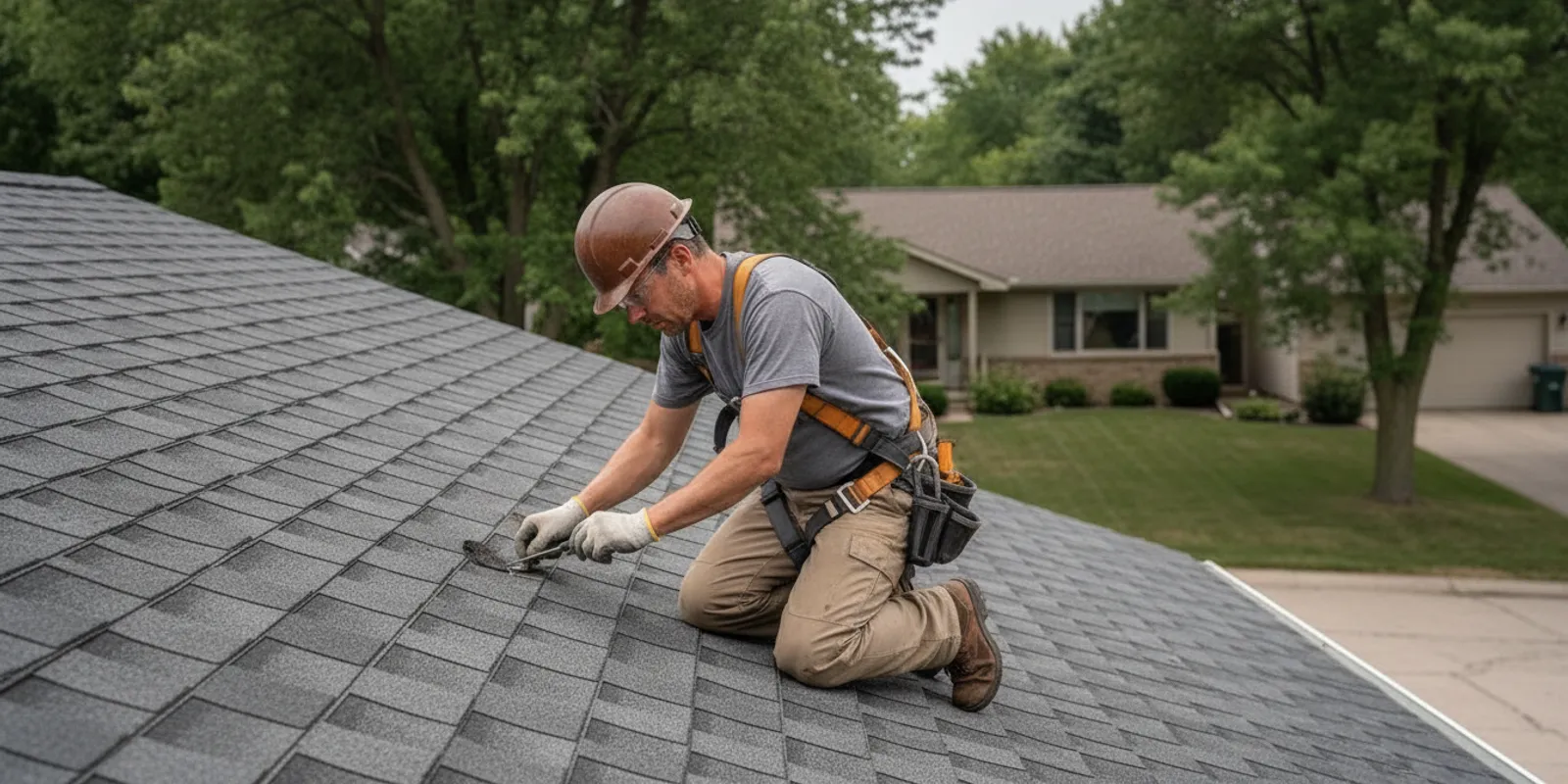
An inspection should be specific enough to help you understand what is happening on your roof. Ask the contractor to explain what areas were examined and what evidence supports the recommendation. Depending on roof access and conditions, the review may include visible shingles or other roofing material, roof edges, flashing, penetrations, drainage points, and interior signs of moisture. Do not assume that every inspection uses the same method; ask what the contractor can safely assess at your property.
If the concern is a leak, record where you first noticed water, whether it appears during particular weather, and whether the stain has changed. A ceiling mark can be some distance from the point where water entered, so avoid treating the visible spot as a definitive diagnosis. Share your observations with the inspector, but do not climb onto a wet, icy, or steep roof to investigate on your own.
For a storm-related concern, note the date of the storm if you know it and take ground-level photos of visible damage. A contractor can explain what they observe and whether further evaluation is needed. Referred Restoration offers roof repair and storm restoration services in its market; its pages on roof repair and storm damage restoration give homeowners examples of those service categories. Confirm directly whether the company can assess a Shoreview property.
Before the visit ends, ask for a plain-language summary. A helpful explanation distinguishes immediate concerns from routine maintenance and longer-term planning. If the inspector recommends replacement, ask why a repair is not a suitable option. If a repair is proposed, ask what it addresses and what areas it does not address. A careful explanation gives you a basis for deciding what to do next.
It can help to take notes during the inspection, or to ask whether the contractor can provide photos and written observations afterward. Match each observation to a location: for example, a roof edge, a valley, a vent, or an area near a wall. Ask whether the issue appears isolated or whether the inspector sees signs that it extends farther. If the contractor cannot inspect part of the roof safely, find out which area could not be assessed and whether that affects the recommendation. Clear limits are as useful as clear findings because they show what the inspection can and cannot establish.
When there is water inside, ask what temporary steps are safe while you arrange the next stage. Keep people away from sagging ceilings, avoid wet electrical fixtures, and move belongings only when it is safe. A contractor may discuss a temporary protective measure, but ask what it addresses and how long it is intended to last. Temporary protection is not the same as a permanent repair, so request a written description of any interim work and the follow-up that may be needed.
How can you compare roofing proposals?
Compare proposals by their scope and clarity, not by the headline alone. Each document should let you see what work is included, which materials are identified, how the work will proceed, what is excluded, and what steps are expected of you. If two proposals describe different work, they are not direct comparisons until you understand those differences.
Use this checklist to review what each contractor has put in writing:
| Proposal detail | What to look for | Question to ask |
|---|---|---|
| Inspection findings. | Specific observations that support the recommended work. | Which findings make this work necessary? |
| Work scope. | Areas to be repaired or replaced, plus stated exclusions. | What is not included in this scope? |
| Materials. | Material type and relevant product details, where applicable. | Which material will be installed, and why is it suitable? |
| Project sequence. | Preparation, installation or repair, cleanup, and final review. | What should I expect on each project day? |
| Communication. | A contact person and a process for changes or questions. | Who will update me if plans change? |
| Completion. | A way to review completed work and discuss unresolved concerns. | How will we confirm the work is complete? |
| Documentation. | Written terms, approvals, and follow-up information. | Which documents should I keep after the project? |
Ask each contractor to explain unfamiliar terms and any differences in scope. If a proposal says only that a roof will be replaced, request enough detail to understand the work planned for your home. If additional work may be needed after materials are removed, ask how that possibility will be documented and approved before the plan changes. Clear expectations help prevent surprises and make it easier to compare contractors fairly.
Keep copies of the inspection notes, proposals, and project communications together. If you are considering a replacement, you can also review Referred Restoration’s roof replacement information to learn how the company describes that service. For homeowners considering different roof systems, its guide to metal roofing versus shingles offers another point of comparison. Product choice should still reflect your home’s needs, the roof design, and the contractor’s written scope.
To compare two proposals fairly, make a side-by-side list of the work each one includes. Check whether both address the same roof sections, accessories, tear-off or preparation, material layers, and cleanup. Then identify exclusions and assumptions. A proposal may leave out a condition that another contractor has included, or it may use a different approach. Ask each contractor to explain the reason for its proposed scope rather than asking one company to match another unexplained document.
Pay attention to how a potential change is handled. For example, a contractor may discover damaged material beneath the visible roof covering once work begins. Ask how the finding will be shown to you, who will explain options, and whether approval is required before the agreed scope changes. The written answer should tell you how decisions are made, not simply state that extra work might occur. This gives you a process to follow if an unexpected condition is uncovered.
Also check that the written agreement identifies who is responsible for each project step. It should be clear who coordinates the work, who answers questions, how schedule updates are delivered, and what you need to do before the crew arrives. If you see a term you do not understand, ask for a plain-language explanation and a revision where needed. Do not rely on an assumption made during a phone call if the final written document says something different.
How should you check communication, reviews, and documentation?
Communication is part of the work. Before you agree to a project, notice whether the contractor answers direct questions, explains the next step, and follows up with the information promised. Ask how schedule changes will be shared and whom to contact if you notice an issue during the work. A written record can help both sides stay aligned, especially when weather affects an exterior project.
Reviews and business directories can add context, but read them with care. Look for descriptions of communication, cleanup, and how concerns were handled rather than relying only on a star score. The Better Business Bureau’s Shoreview roofing contractor directory includes business profiles, ratings, and customer reviews. A directory is one reference point; it does not replace your own review of a contractor’s inspection, project documents, and suitability for your home.
Before work begins, make sure you understand the written agreement, project scope, anticipated sequence, and any stated warranty or follow-up terms. Ask who is responsible for obtaining any approvals or permits that apply to the project, and request clarification if responsibilities are not stated. Keep all project documents accessible. If you are also addressing roof drainage, you can explore Referred Restoration’s information about seamless gutter installation and discuss whether gutter work is relevant to your home’s needs.
When reviewing public feedback, look for details that relate to your own priorities. A comment about prompt replies may be helpful if you value regular updates. A note about cleanup may suggest a question to ask during your consultation. Reviews describe individual experiences and should not be treated as a guarantee of what will happen on another project. Consider the date and detail of a review, and compare it with what the contractor explains directly and puts in writing.
Ask about the company’s process for questions after installation or repair. Who should you contact if you notice a concern? How will the company review it? What documents or photos should you provide? These are ordinary project questions, not signs that you expect trouble. Knowing the follow-up process in advance makes it easier to raise a concern clearly if something needs attention later.
What should Shoreview homeowners know about storms and roof materials?
In Minnesota, wind, hail, snow, ice, and freeze-thaw cycles can all affect an exterior. After severe weather, do not assume that every mark or missing shingle means the entire roof needs replacement. Ask for a documented assessment and a clear explanation of the observed condition. If a contractor identifies damage, ask which areas are affected and what repair or replacement approach is being considered.
Roof materials also have different characteristics. The right choice depends on the roof design, the home’s needs, manufacturer requirements, and the installation details. Ask what material the contractor proposes, how it fits your roof, and what maintenance or follow-up it may require. For an overview of conditions that can contribute to winter roof issues, see Referred Restoration’s guide to ice dam prevention in Minnesota. The guide can support your questions, but it is not a substitute for a roof-specific inspection.
If you see active water entry, protect belongings and contact a qualified professional to discuss safe next steps. Avoid entering an area where the ceiling is sagging or where electrical fixtures may be wet. Take photos from a safe location and note when the leak occurs. A prompt, factual account helps the contractor understand what you have observed without putting you at risk.
For material discussions, ask the contractor to connect the recommendation to your roof rather than presenting a product as a universal solution. Roof shape, slopes, valleys, transitions, ventilation details, and existing layers can affect what is appropriate. Request the proposed product details in writing and ask how the installation plan follows applicable manufacturer instructions. If you are comparing an asphalt-shingle roof with a metal system, ask about the differences in appearance, installation approach, upkeep, and how each option fits the home’s design. The purpose is to understand the trade-offs, not to assume one material is best for every property.
Weather also affects when exterior work can proceed. Ask how the contractor communicates a weather delay, what conditions would pause work, and how the roof will be protected if a project spans more than one day. A practical schedule should account for safe working conditions and explain how a change affects the next step. Avoid interpreting a weather adjustment as a problem by itself; focus on whether the contractor explains the reason and revised plan clearly.
How can you prepare for installation or repair day?
Once you have selected a contractor, ask for a short preparation list specific to the planned work. Typical topics include where vehicles should be parked and whether outdoor furniture or planters should be moved. Confirm which doors or gates the crew may need to access, and how pets and children can be kept away from the work area. Do not assume every project requires the same preparations. Confirm what applies to your home and whether the contractor needs access to an electrical outlet or another area.
Inside the home, ask whether attic access or an interior review is part of the plan. If the crew will need to enter a room, clear a safe path and move fragile belongings nearby if advised. Roof work may create noise and vibration, so consider how that affects household routines, remote work, or anyone who needs a quiet environment. The contractor should explain expected work hours and how you will know when the crew has arrived or completed a day’s work.
Before work begins, review the final scope and the contact plan. Keep the agreement and any product information where you can find them. Take your own dated photos of the exterior from safe ground-level viewpoints if you want a record of the home’s pre-project condition. Do not climb to take a closer photo. If you notice an unexpected concern during the project, record what you saw and raise it with the designated contact rather than directing workers on the roof yourself.
At the end of each work period, ask how the site will be left and what parts of the project remain. If weather or a newly found condition changes the sequence, request an updated explanation. Knowing whether the next step is planned for the same day or a later visit helps you understand what to expect and when to follow up.
What should you check before the roofing project is complete?
Ask the contractor to explain how the final review works. Depending on the project, the discussion may cover the completed work, cleanup, any remaining tasks, and documents you should retain. Walk the property with the contractor if that is part of the process, but stay on the ground and let the professional inspect roof-level details. If you notice debris or an area that does not match the agreed scope, point it out and ask how it will be addressed.
Compare the completed work with the written agreement and any approved changes. Confirm that you have the final documents, including material information and stated follow-up terms. Keep photos, inspection findings, the agreement, and communications together with your home records. If the contractor has explained ongoing maintenance or a recommended recheck, note that guidance and ask whom to contact if questions arise.
A clear closeout conversation should not require you to make a technical judgment from the yard. Instead, ask the contractor to describe what was completed, whether anything remains open, and what signs should prompt a follow-up call. If a remaining item has a scheduled return visit, write down the expected next step and the person responsible for coordinating it. This small record can prevent confusion once the crew has left.
Contact Referred Restoration to confirm whether your Shoreview project is in its service area
Frequently Asked Questions
Does Referred Restoration serve Shoreview, MN?
The available company information identifies Rogers and surrounding communities as its core service market but does not specifically confirm Shoreview. Contact the company with your address and project details to verify current availability before scheduling.
Should I repair my roof or replace it?
That depends on the roof’s condition and the issues found during inspection. Ask the contractor to explain the evidence behind the recommendation, what a repair would address, and why replacement is or is not appropriate. A written explanation makes it easier to understand your options.
What should I have ready for a roof inspection?
Share where you have noticed a leak, when it appears, and any relevant storm or maintenance history. Ground-level photos can help document visible concerns. Do not climb onto the roof; let the inspector explain what can be safely assessed.
How can I compare two roofing proposals?
Compare the documented findings, work scope, materials, exclusions, project sequence, communication plan, and completion steps. Ask each contractor to clarify unclear wording. When the scopes differ, understand the difference before deciding which proposal best fits your needs.
What should I do after noticing storm damage?
From a safe location, photograph visible concerns and note when you saw them. If water is entering the home, protect belongings if it is safe to do so and contact a professional. Avoid walking on a damaged, wet, or icy roof.
A careful choice starts with a clear inspection and an honest conversation about location, scope, and next steps, so confirm those details before committing to roof work.