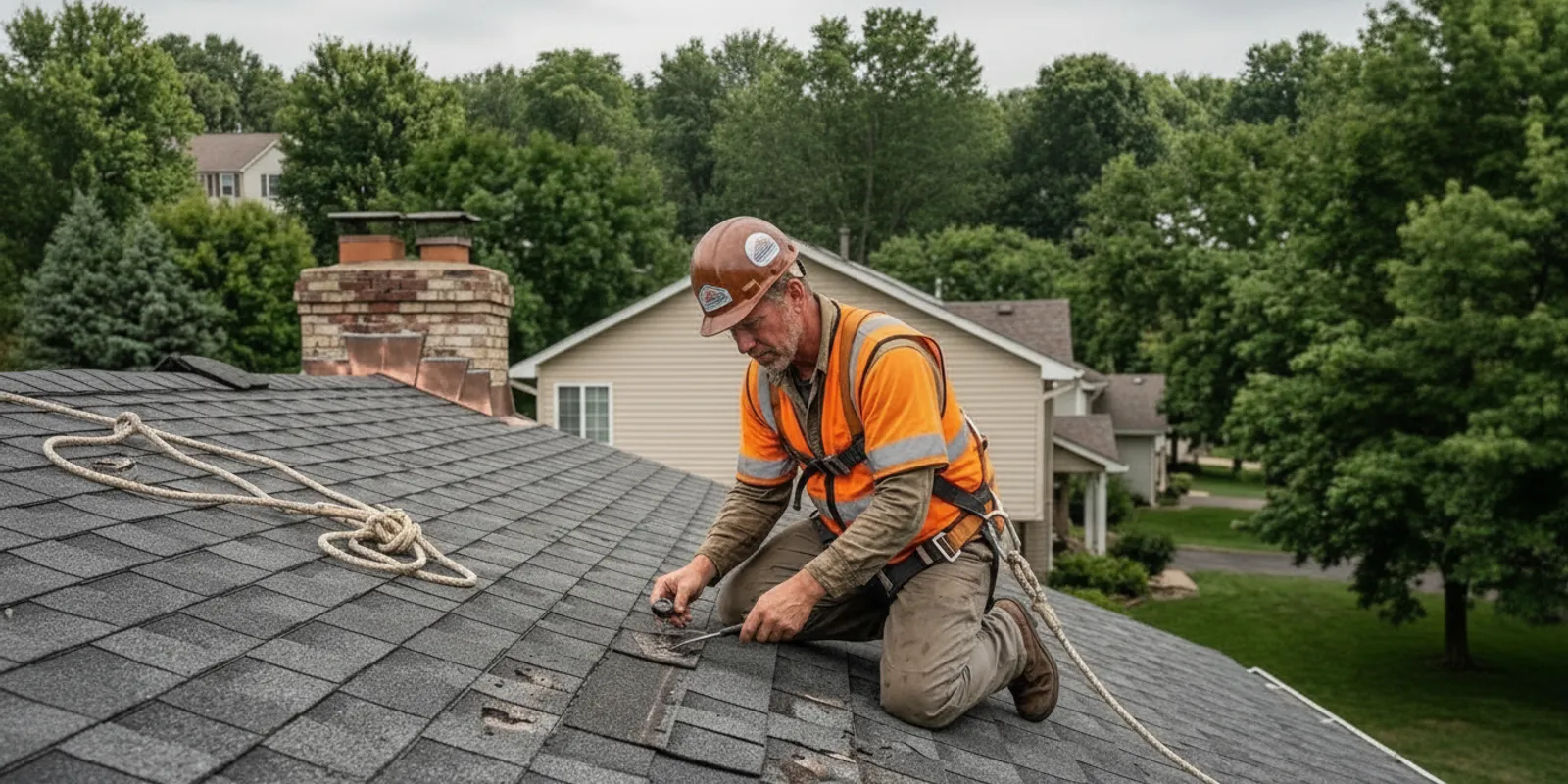
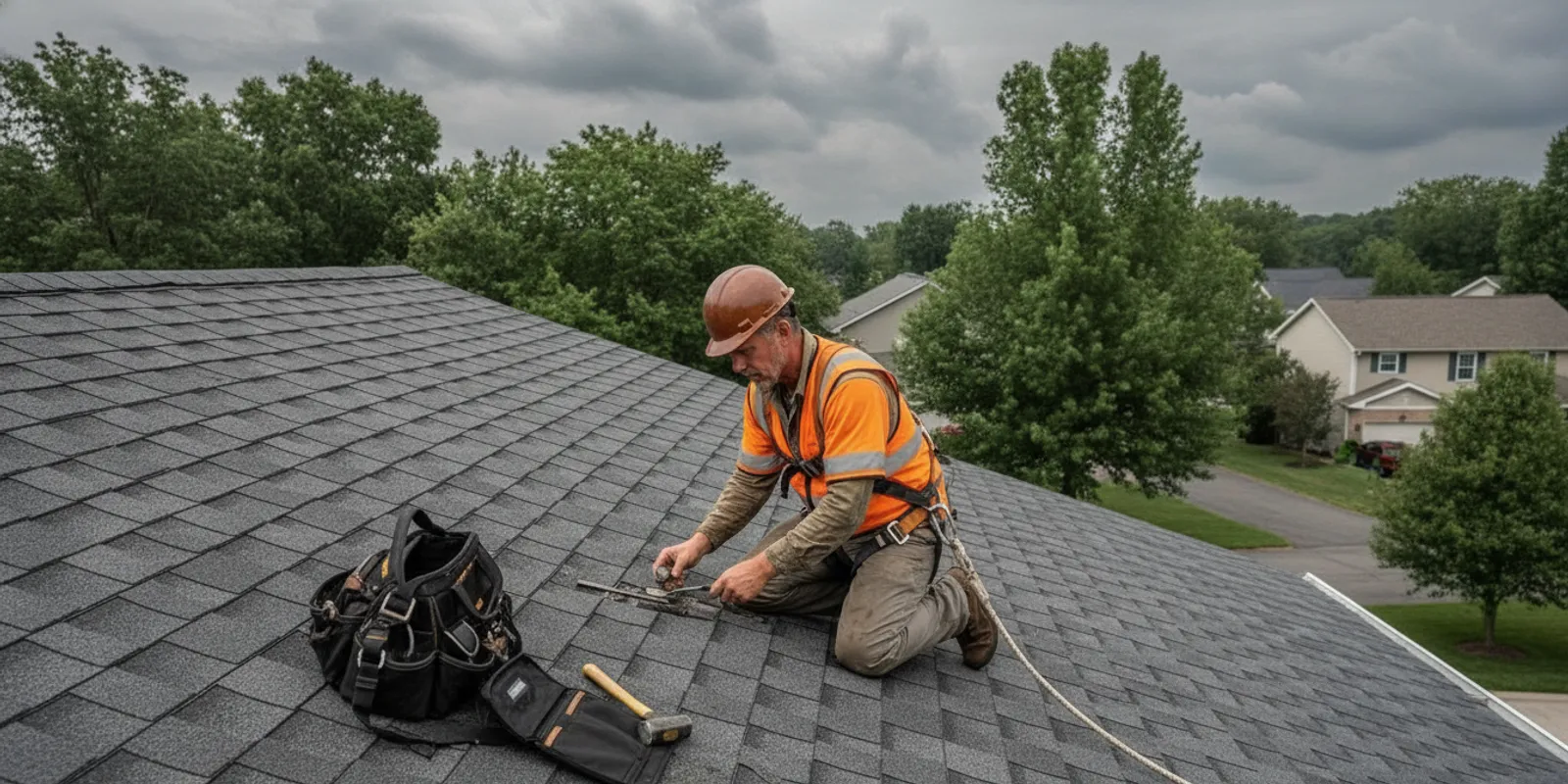
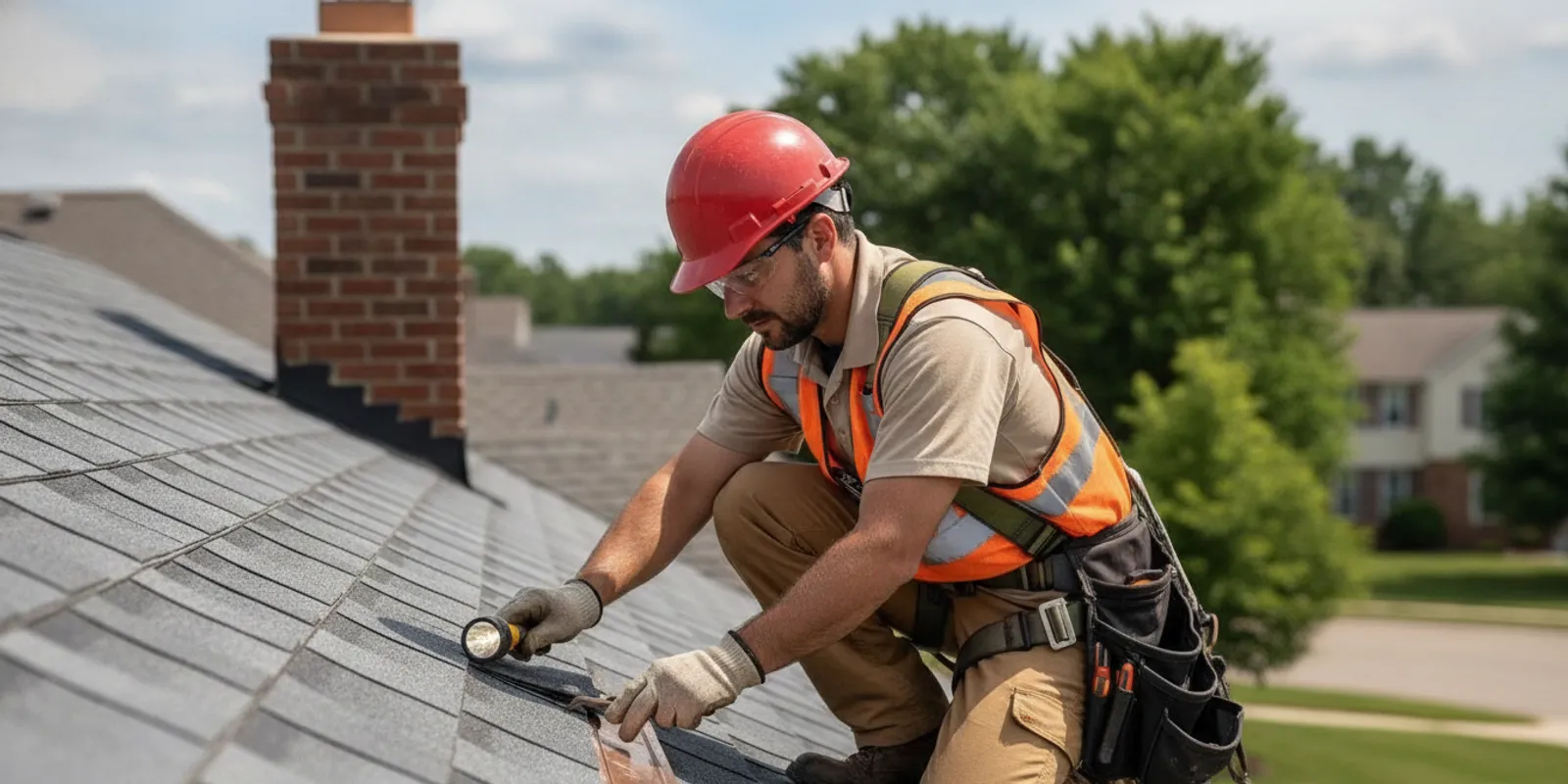
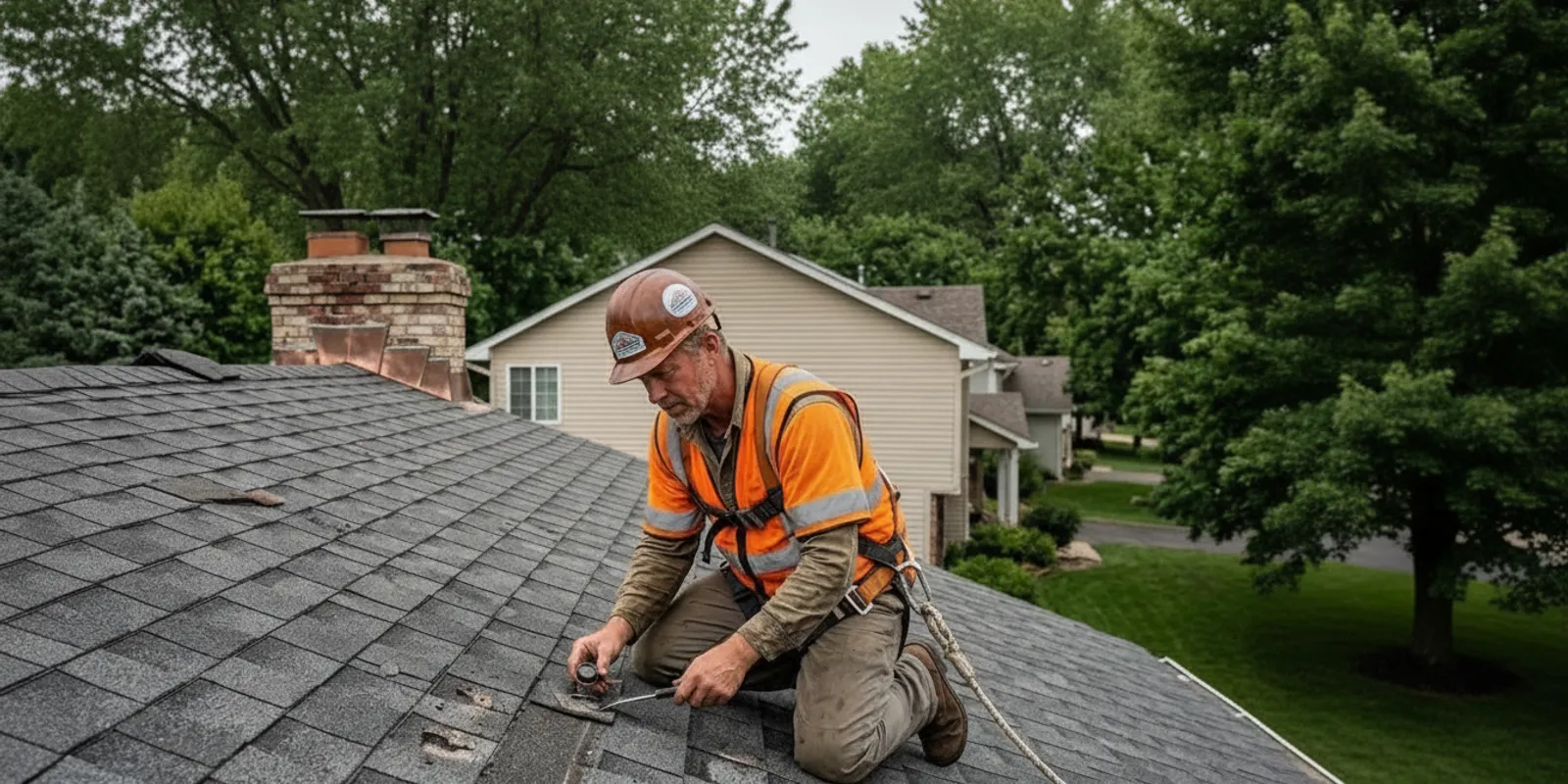
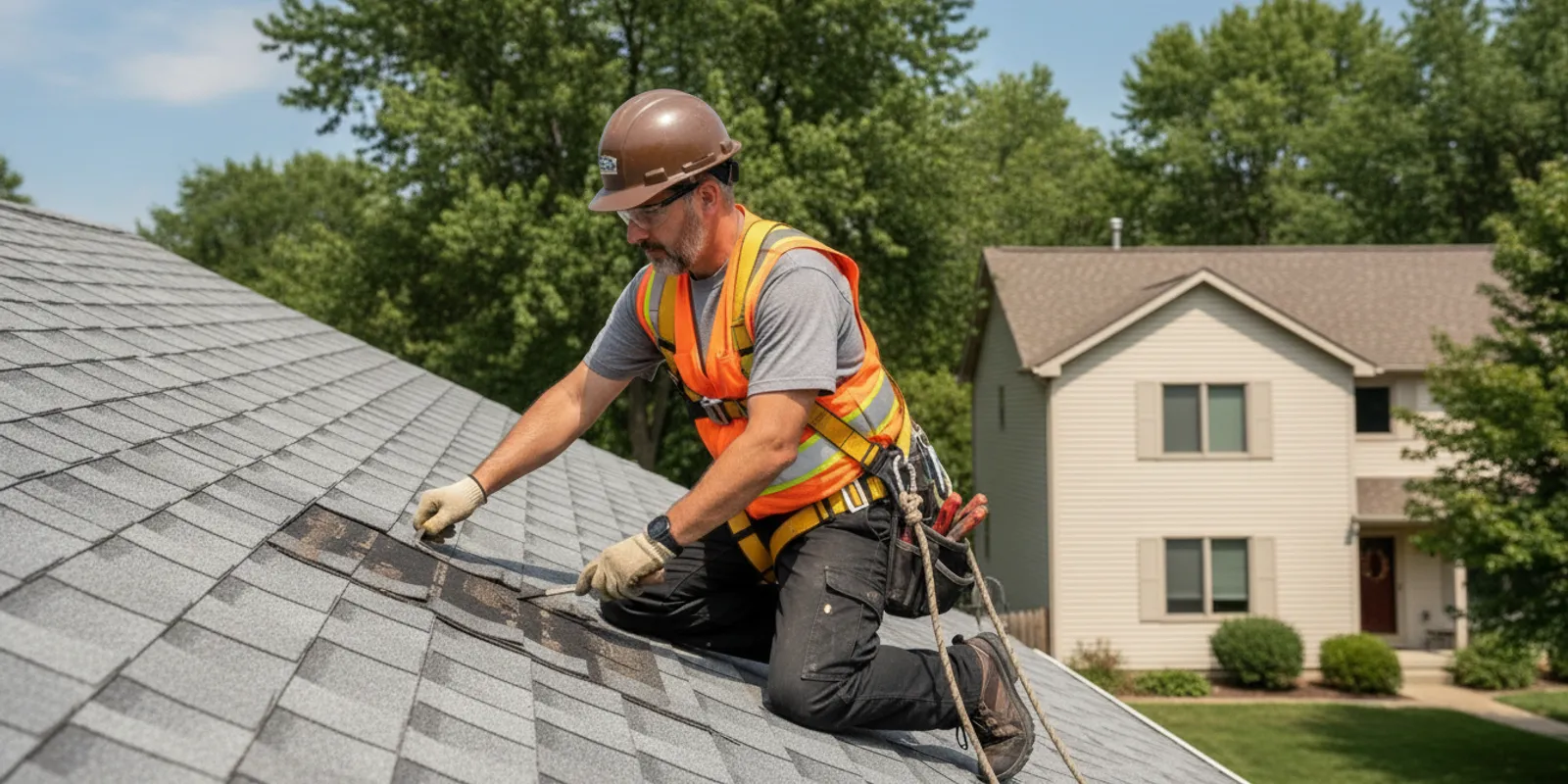
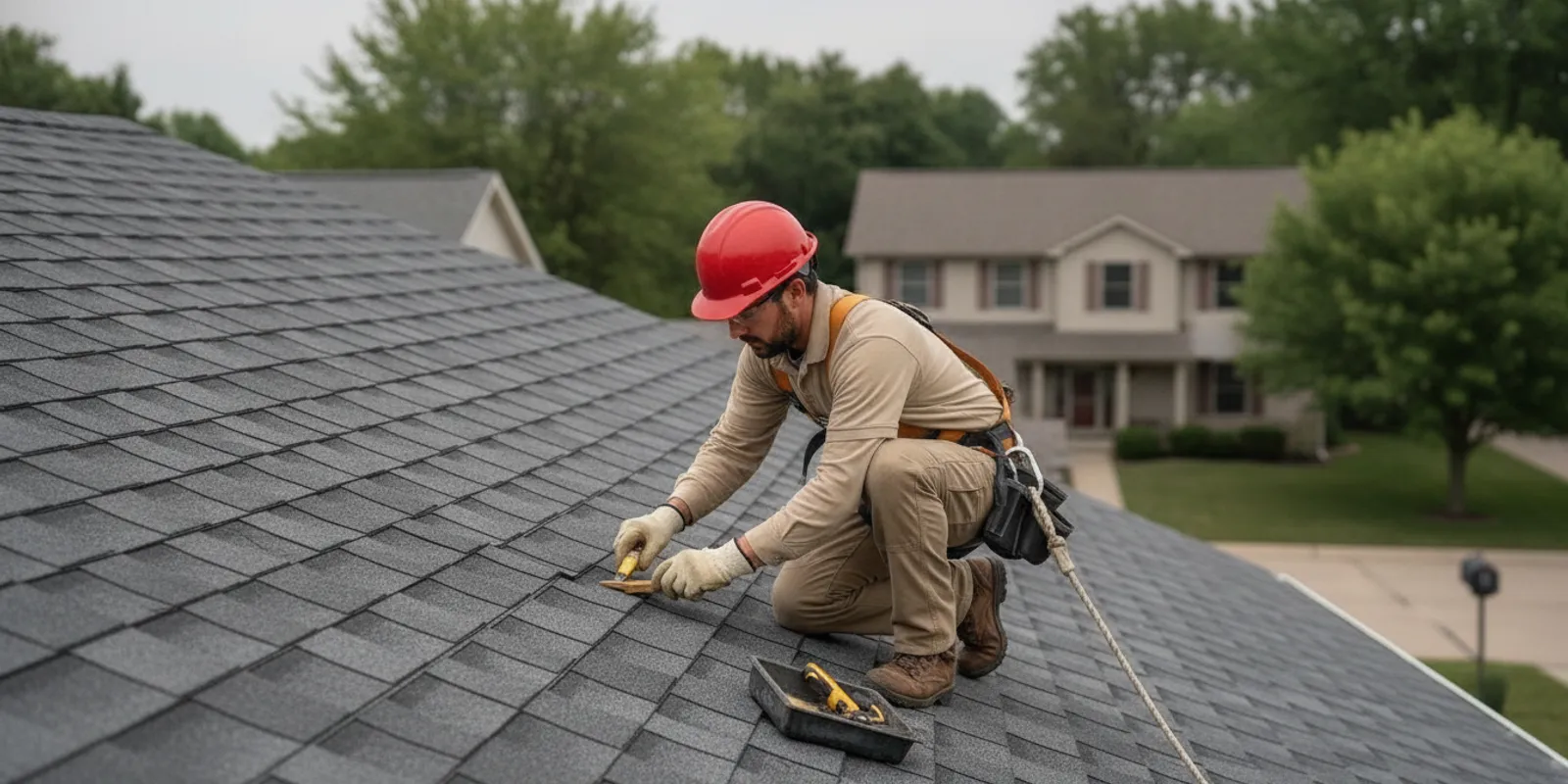
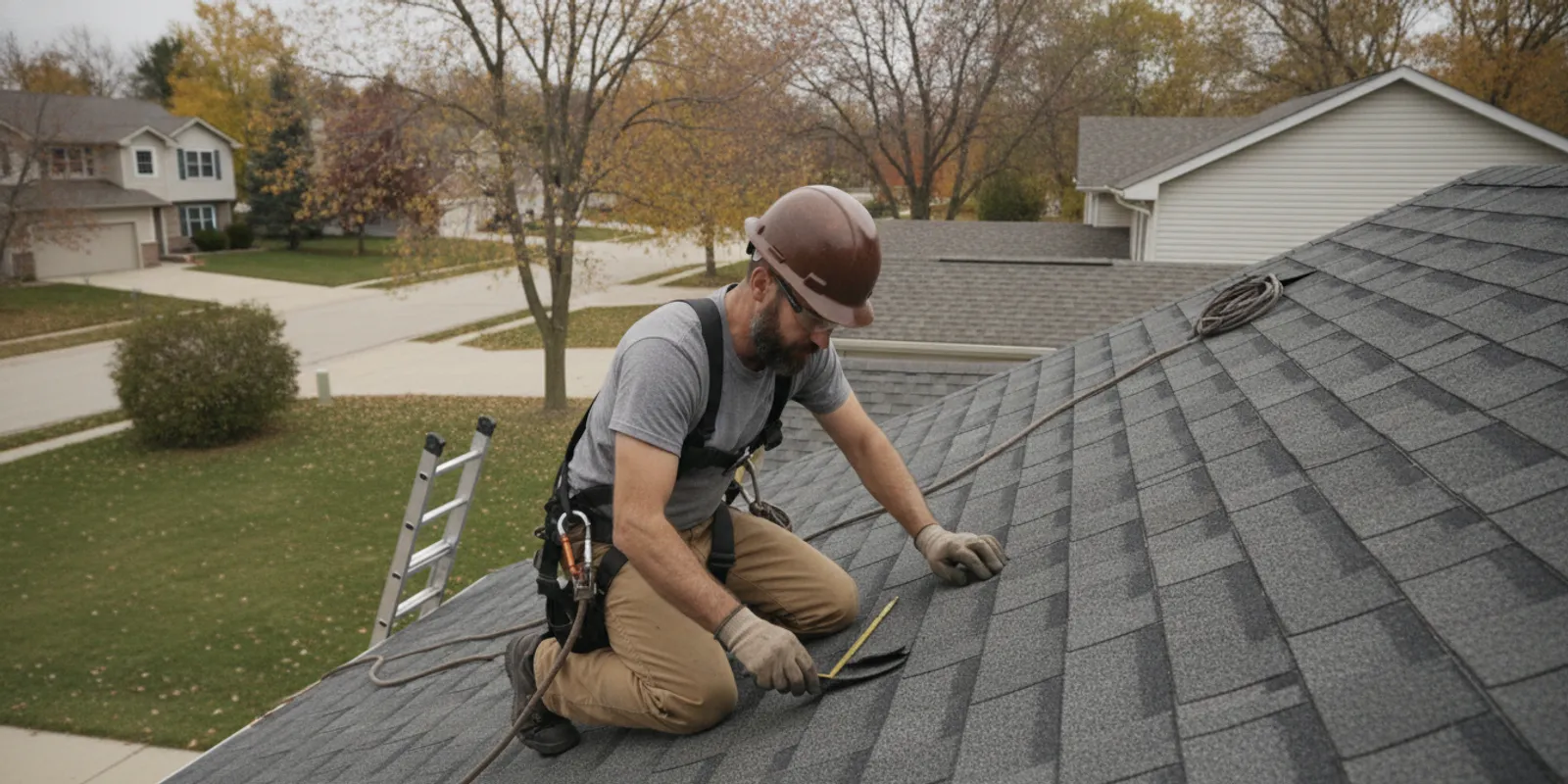
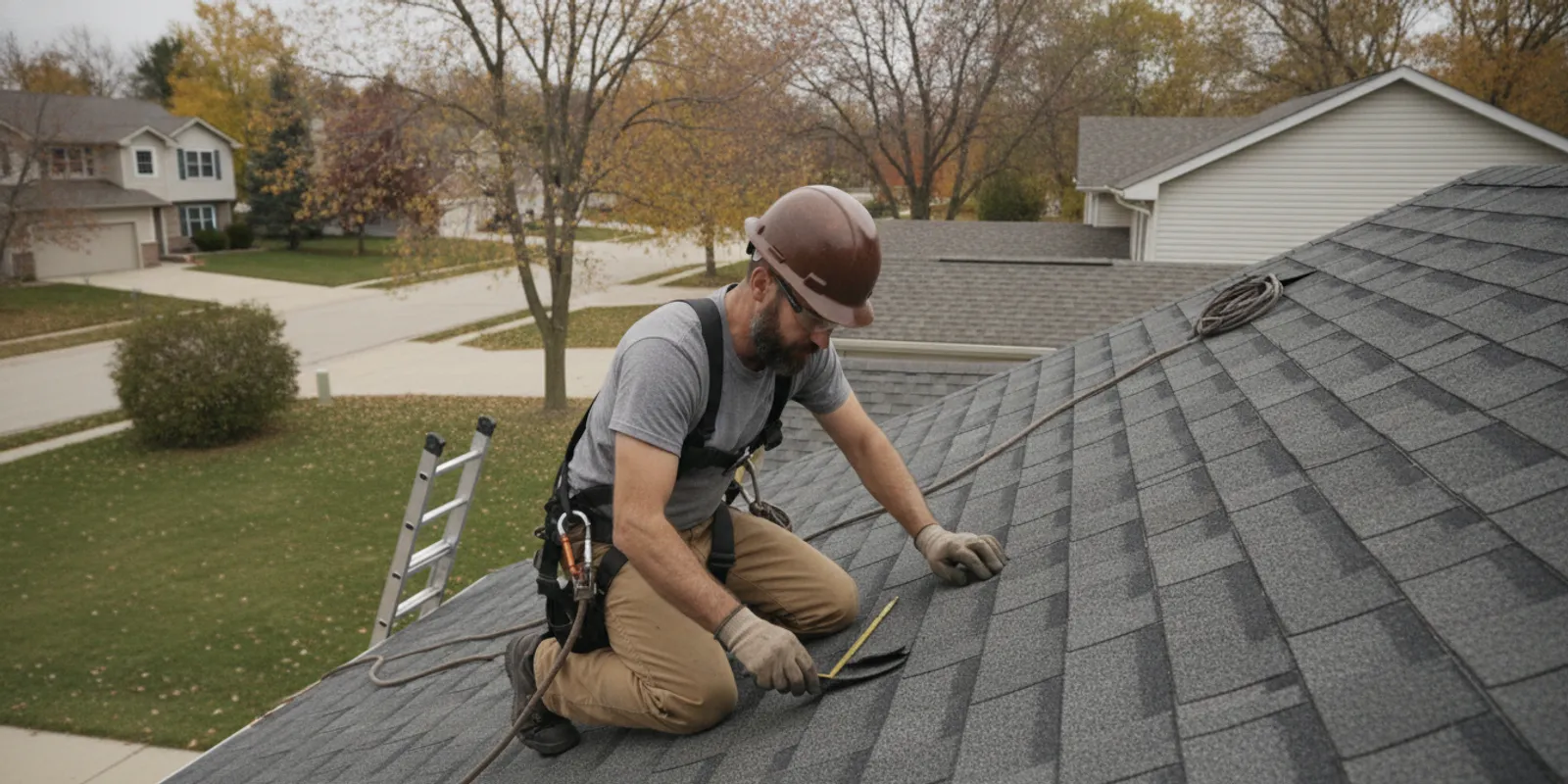
A roof decision should begin with evidence and a defined process. Start by asking how the inspection will work, what the written scope will cover, and whether the company can take on your address.
Contact Referred Restoration online
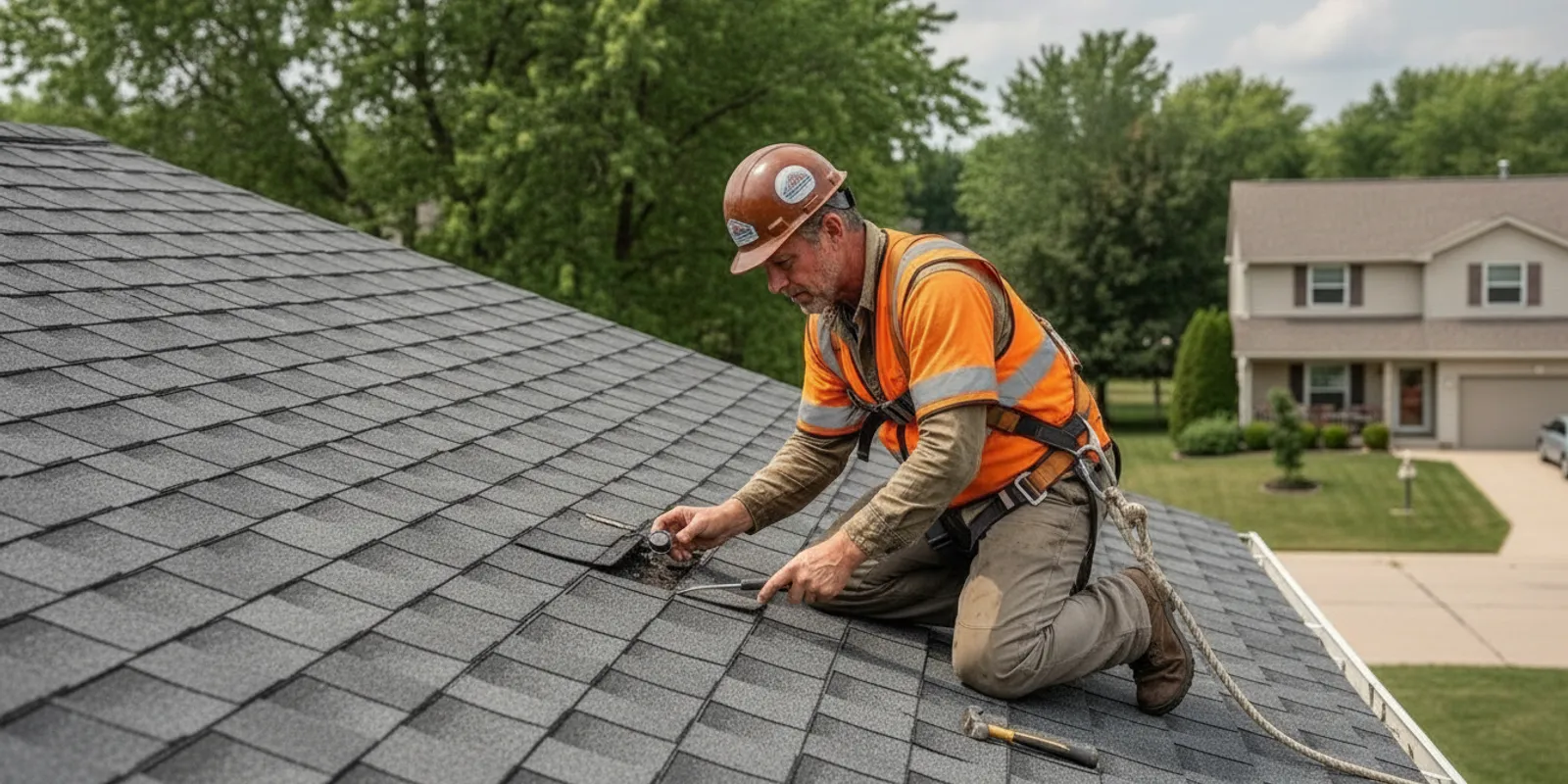
When comparing a roofing company in North St. Paul MN, look for a clear inspection, a custom solution, professional installation, and direct confirmation that North St. Paul is currently within the service area. Referred Restoration is based in Rogers and follows a documented process of free inspection, custom solution, and professional installation, but North St. Paul availability should be confirmed before scheduling.
That Rogers-centered approach gives you a practical starting point: evaluate the contractor’s process, communication, storm-response support, and fit for your property rather than relying on unsupported superlatives. Before you commit, work through the questions that reveal whether the scope, materials, availability, and next steps are clear.
What should you confirm before hiring a roofing company in North St. Paul MN?
Before you schedule roofing work, verify that the contractor fits your property, project, and location. Referred Restoration is Rogers-centered, with a documented service corridor of roughly 25 miles from Rogers toward communities such as St. Francis and Monticello. North St. Paul availability must be confirmed directly rather than assumed.
- Service area: Ask whether the company currently serves your North St. Paul address and whether an inspection can be arranged there. A nearby office or service page does not automatically confirm availability for every community.
- Inspection and process: Confirm what the inspection covers and how the findings will be explained. Referred Restoration describes a process built around a free inspection, a custom solution, and professional installation. Ask whether the recommendation is repair, replacement, or storm restoration, and why.
- Written scope: Request the proposed work in writing. It should identify the areas being addressed, the work sequence, property-protection steps, debris handling, and how changes will be documented if concealed conditions appear.
- Materials and exclusions: Ask which materials are being considered for your roof and what is not included. Discuss the roof’s slope, ventilation, flashing, water movement, and exposure to Minnesota snow, ice, and hail without assuming that one material or solution fits every home.
- Communication: Identify your primary contact and ask how questions, schedule changes, weather delays, and approval requests will be communicated. Clear expectations matter before installation begins.
- Documentation: Confirm what you will receive after the inspection and when the work is complete, including the written scope, material information, project updates, and records related to storm-damage or insurance-claim assistance when applicable.
For more context, review Referred Restoration’s roofing services and roof repair information. Those pages can help you compare the type of work described with the condition and goals of your own roof, while a direct conversation confirms whether North St. Paul is currently within the company’s active service area.
How can you tell whether your roof needs repair or replacement?
Some roof problems are limited to one area. Others point to broader wear or damage that may make a larger project worth considering. A leak, missing shingles, damaged flashing, or a visible opening deserves attention, but one symptom alone does not reveal the condition of the whole roof. Water can travel beneath the surface before it becomes visible indoors.
Ask the inspector to show you what they found and identify where it is located. Request photographs when they can be taken safely. Find out whether the observed issue appears isolated or whether there are signs of deterioration in multiple areas. The explanation should connect the evidence to the recommended work, rather than jumping straight to a particular product or scope.
A repair may be appropriate when damage is limited and the surrounding roof remains serviceable. Replacement may merit discussion when the roof has widespread deterioration, repeated failures, or damage that cannot be addressed reliably with a small repair. The right answer depends on the roof’s materials, condition, age, installation details, and the extent of damage. Ask what might happen if you choose the smaller scope and what conditions would change that recommendation.
In Minnesota, seasonal weather can make prompt assessment important, especially when water is entering the home. If you see an active leak, protect belongings and contact a qualified contractor. Avoid climbing onto a wet, icy, or damaged roof. A roofer can explain whether a temporary measure is appropriate while a longer-term plan is prepared.
Homeowners comparing replacement options can explore Referred Restoration’s roof replacement information. The page is a starting point for questions, not a substitute for an inspection of a North St. Paul property.
What should a careful roof inspection include?
A useful inspection should consider more than the most obvious spot. Ask the inspector to assess the roof covering and visible details around penetrations, edges, valleys, and transitions. Depending on access and conditions, the contractor may also look at ventilation, drainage, and areas where water could enter. The inspection method should be safe for both the worker and the home.
Ask what the inspector could not assess. Snow, ice, steep slopes, fragile materials, or limited access may restrict a close examination. A clear report notes those limits rather than implying every concealed layer has been checked. If the roof cannot be fully evaluated during the first visit, ask what additional information is needed and when it may be available.
Request a written summary that separates observations from recommendations. It should say where the damage or wear is located, what the contractor proposes to do, and whether any related components may need attention. Ask whether the scope includes removing existing materials, addressing the underlayment, replacing flashing, protecting landscaping, and cleaning the site. Details will vary by project, so have the contractor explain what applies to your roof.
When a contractor recommends a full replacement, ask which findings support that choice. When the recommendation is a repair, ask what portions of the roof are not included and what signs to monitor afterward. The goal is not to challenge every technical decision. It is to understand the relationship between the roof’s condition and the work being offered.
Keep the inspection summary with photos, written proposals, and any later change approvals. Organized records make it easier to compare recommendations and refer back to what was agreed.
How can you compare roofing proposals fairly?
Look at the work descriptions side by side before focusing on the total. Two proposals may use different assumptions, materials, removal plans, or completion details. If one is shorter, ask the contractor to clarify what is included and what is excluded. A written scope lets you compare the actual work rather than relying on a headline figure.
Check whether each proposal states the roof area or sections involved, the proposed materials, the removal and disposal approach, flashing and ventilation work, cleanup, and any exclusions. Ask how hidden damage will be documented and approved before additional work begins. The contractor should describe how changes will be communicated and recorded.
| Proposal detail | What to look for | Question to ask |
|---|---|---|
| Inspection findings | Locations and condition observed, with limitations noted | Can you show me the areas behind this recommendation? |
| Work scope | Clear description of removal, installation, flashing, and cleanup | What is excluded from this scope? |
| Materials | Product type and relevant installation components identified | Why is this option suitable for my roof? |
| Project plan | Expected sequence, access needs, and communication contact | How will schedule changes be shared? |
| Changes and closeout | Written approval process and completion documentation | What records will I receive when work is done? |
Compare answers as well as documents. A proposal should give you enough detail to understand the work, while leaving room to address genuinely concealed conditions through an agreed process. If a contractor cannot explain a line item in plain language, ask for clarification before signing. You should understand what the crew is expected to do and how questions will be resolved.
For further background on local roofing work, see the company’s Rogers roofing and restoration overview. The business serves a Minnesota market, but a North St. Paul homeowner should confirm that the specific address and requested scope are within its current service area.
What should you ask about roofing materials in Minnesota?
Ask which roofing materials are being proposed and why they fit your home’s design and Minnesota exposure. Snow and ice can change how water moves across the roof and collects near edges, valleys, and other transitions. Hail can also affect the surface and underlying components. A material name alone does not explain whether the complete roof assembly is appropriate.
Ask the contractor to identify the manufacturer and product line, describe the components included, and explain any differences from your existing roof. Discuss the roof slope, because water movement and installation details can vary between low- and steep-slope areas. Ask how the plan addresses underlayment, flashing around penetrations and walls, and edge details that help direct water away from the structure.
Ventilation deserves a specific answer rather than a general assurance. Ask how the proposed system works with the existing attic ventilation and whether any changes are recommended. The contractor should also explain how fastening and installation will follow the product instructions and applicable local requirements. Do not assume that a familiar shingle name guarantees the same result on every roof.
- How will the assembly handle snow, ice, hail, and seasonal water movement?
- Which underlayment, flashing, ventilation, and edge components are included?
- What roof-slope conditions or local requirements affect the installation?
- Which product information should be kept for future maintenance?
Keep product information and written project details together. They can help you understand what was installed and support future maintenance discussions. If related exterior work is being considered, review the contractor’s siding services and gutter installation pages, then ask whether that work is actually needed for your property. Roofing, siding, and gutters are connected parts of the exterior, but they are separate scopes.
How should you handle storm damage and insurance questions?
After a storm, start with safety. Do not climb onto the roof or move damaged materials if the area is unstable. From the ground, note visible changes and take photographs only from a safe location. If water is entering the home, protect belongings where possible and contact a qualified professional about immediate next steps.
Keep a clear record of the event and visible damage. Save dated photographs, notes about leaks, and copies of messages or documents related to the property. Contact your insurer to ask about the claim process and required documentation. A roofing contractor can describe observed roof conditions and provide project information, but the insurer determines coverage under the policy.
Ask what the contractor will and will not handle
Before authorizing work, ask for a written explanation of the inspection findings, recommended work, and insurance-related support. Referred Restoration describes a process that includes storm restoration and insurance-claim assistance. That can help a homeowner organize questions and project information, but it does not mean the contractor can promise approval or decide what an insurance policy covers. Read the paperwork yourself, direct coverage questions to the insurer, and do not sign documents you do not understand or feel rushed to approve.
Referred Restoration’s storm damage restoration information explains the company’s storm-related service context. Its process is built around assessing the property, developing a custom solution, and completing professional installation. Ask which steps apply to your situation and what remains your responsibility. Because the company is Rogers-centered and documented service coverage is not established for North St. Paul, confirm current availability before scheduling an inspection. A separate Otsego roofing page provides additional regional context, not a guarantee of service in North St. Paul.
The Better Business Bureau’s directory of BBB-accredited roofing contractors near Saint Paul is one reference homeowners may consult. A directory listing is only one part of the decision. Compare the written scope, communication process, documentation, and agreement terms, and make sure the contractor’s actual service availability matches your property.
What should happen during a roofing project?
Before work begins, ask who will be on site, when materials may arrive. How the crew will access the roof, and where vehicles or a disposal container may be placed. Discuss protecting plants, outdoor furniture, and areas where falling debris could land. Move fragile items away from work zones and secure pets and children indoors during active work.
Ask for a realistic schedule and how weather may affect it. Roofing work depends on conditions, and Minnesota weather can change quickly. The contractor should tell you how schedule updates will arrive and whom to contact if you notice an urgent concern. A clear communication plan is especially useful when the work lasts more than one day.
During installation, avoid entering marked work areas or approaching ladders and equipment. If you have a question, contact the designated project representative rather than interrupting workers on the roof. Ask how the crew will document unexpected conditions and how you will approve any change to the agreed scope.
At the end of each workday, ask what areas will remain open or exposed, if any, and what protection is in place. For a multi-day project, confirm what the crew expects to complete next. These questions help you understand progress without needing to supervise every task.
How can you prepare your household for roofing work?
Preparation begins with the area around the home. Move vehicles away from the work zone, take down or secure outdoor items, and discuss access to gates or exterior outlets if needed. Ask the contractor whether any specific preparations are needed for your property. Keep driveways and walkways clear enough for safe movement of workers and materials.
Inside, remove fragile wall decorations or objects from shelves in rooms directly below the roof work if vibration could affect them. Cover or move items in the attic that may collect dust or debris. Let household members know when noisy work is expected, and plan around pets or anyone who needs a quiet space.
Discuss ventilation and access before the start date. If workers need to enter the home or attic, agree on how that will be arranged. If no interior access is planned, make that clear as well. Ask who should be notified if you need to leave the property during the project.
Put the proposal, contact details, selected materials, schedule notes, and any change approvals in one place. Keep copies of relevant insurance communications separate from contractor documents. A basic recordkeeping system makes it easier to locate answers if questions arise later.
What should you check before the roofing project is complete?
Ask for a final walkthrough or another clear way to review the finished work. The contractor can explain which areas were completed and point out any project details that are not easy to see from the ground. Do not climb onto the roof to inspect it yourself. Ask for photographs or other documentation when a close view is useful.
Look around the property for remaining materials, packaging, or debris, and ask how cleanup is handled. Confirm that agreed work has been completed and that any approved changes are reflected in the closeout documents. If something appears incomplete or differs from the written scope, raise it promptly and request a clear response.
Ask what maintenance is appropriate for the installed system and what signs should prompt a call. Keep product details, contractor contact information, photographs, and completion records. If a question comes up after the crew leaves, those records help you describe the project accurately.
Homeowners in nearby service communities can also review the company’s Cottage Grove roofing information to see how it presents its regional work. Service boundaries and schedules can differ, so confirm availability for your particular address rather than assuming a nearby page covers it.
How should you plan the timing of roofing work?
Roofing schedules depend on the project’s scope, material availability, crew planning, and weather. Ask the contractor what needs to happen before a start date can be confirmed. For example, the project may require a completed agreement, a material selection, access planning, or coordination with another trade. Knowing the prerequisites helps you avoid treating an early target date as a firm commitment.
Ask how the contractor handles rain, snow, high winds, or other conditions that could affect safe installation. The answer should explain how you will be notified if a change is needed and how the crew will protect the roof if work is interrupted. If your home has an active leak, say so when you make contact and ask what immediate assessment is appropriate. Do not assume that a scheduled replacement will address an urgent issue before the crew arrives.
Think about household plans as well. Roofing work can involve noise, workers on site, material deliveries, and temporary changes to driveway access. If you have travel, deliveries, or other work planned, mention it early. Ask whether someone needs to be present and whether the crew needs access to any part of the home. The contractor can tell you which arrangements are necessary for the specific project.
Leave room for weather changes in your plans. A schedule that accounts for safe working conditions is more useful than a rigid date that ignores them. Get updates through the contact method agreed upon and ask for a revised plan when the original schedule changes. Clear expectations make it easier to prepare the household and know when to follow up.
What project records should you keep?
Keep a copy of the inspection notes, photographs, proposal, signed agreement, selected product information, and any written change approvals. Save messages about schedule changes and questions about the work. If the project relates to storm damage, maintain a separate folder for your insurer’s instructions, claim communications, and any documents the insurer requests. These records help you distinguish the contractor’s scope from coverage decisions made by your insurer.
Write down the names or roles of the people you speak with and the date of important conversations. If a conversation changes the work plan, ask for the revised scope in writing. This does not need to be complicated: a single folder, digital or paper, can hold the essential records. The important point is being able to find what was agreed without relying on memory.
At closeout, ask what documents are available for the completed work. Depending on the project, you may want the final scope, product details, completion photographs, and contact information for future questions. Ask the contractor to explain any maintenance guidance and what to do if you later notice a concern. Keep these details with the records for the home so they are available to the next owner or a future service professional if needed.
Good documentation also helps you compare what was proposed with what was completed. Review any revised scope and confirm that you understand why a change was made. If you notice an unanswered question after the crew leaves, contact the company promptly and refer to the written agreement and your notes.
How can North St. Paul homeowners confirm a contractor is the right fit?
A good fit should be evident in the details, not in a ranking claim. Before agreeing to work, use the questions below to connect the roof’s observed condition to the proposed plan.
- Observed condition: What did the inspection find, and can the contractor explain the visible damage or wear in plain language?
- Scope rationale: Why does the recommended repair or replacement address the problem? Ask what could happen if specific work is deferred.
- Included materials: Which roofing materials, underlayment, flashing, ventilation components, and cleanup tasks are included in the written scope?
- Exclusions: What is not included? Clarify concealed damage, decking, structural work, permit responsibilities, and other items that may require separate approval.
- Contact person: Who will answer questions during the project, and how should you reach that person?
- Change approvals: How will unexpected conditions or scope changes be documented and approved before additional work begins?
- Project records: What will you receive when the work is complete, such as the final scope, product information, photographs, invoices, or warranty documents?
Review the written agreement at a comfortable pace. The company name, contact information, scope, materials, schedule expectations, and project terms should be clear. Ask for verbal explanations that affect the work to be added to the written record, then keep copies of the signed documents and later revisions.
Also confirm that the contractor is currently available for your North St. Paul address. Referred Restoration is based in Rogers and documents a Rogers-centered service corridor, so North St. Paul availability should be confirmed directly rather than assumed. Ultimately, fit depends on a clear scope, responsive communication, and confirmed availability for your property.
Request a free roofing inspection
Frequently Asked Questions
Does every roof leak mean the whole roof needs replacement?
No. A leak can come from a limited area or from a broader roof problem. Ask a contractor to identify the source, explain the condition of nearby materials, and show why a repair or replacement is recommended.
Should I inspect my roof myself after a storm?
No. Roofs can be slippery, unstable, or damaged in ways that are not visible from above. Take notes and photographs from a safe location, then arrange a professional assessment if you suspect damage.
Can a roofing contractor guarantee that my insurance claim will be approved?
A contractor cannot decide what a policy covers or promise an insurer’s decision. Ask the contractor what documentation it can provide, and direct coverage questions to your insurance company.
What should I do if a proposal leaves out important details?
Ask for clarification in writing before you agree. Confirm the work included, materials, exclusions, cleanup, communication plan, and how changes will be documented and approved.
A careful hiring decision starts with an inspection you understand and a written scope that answers your questions. Compare the proposed work, confirm service availability, and keep the project records together so you can make an informed choice for your North St. Paul home.