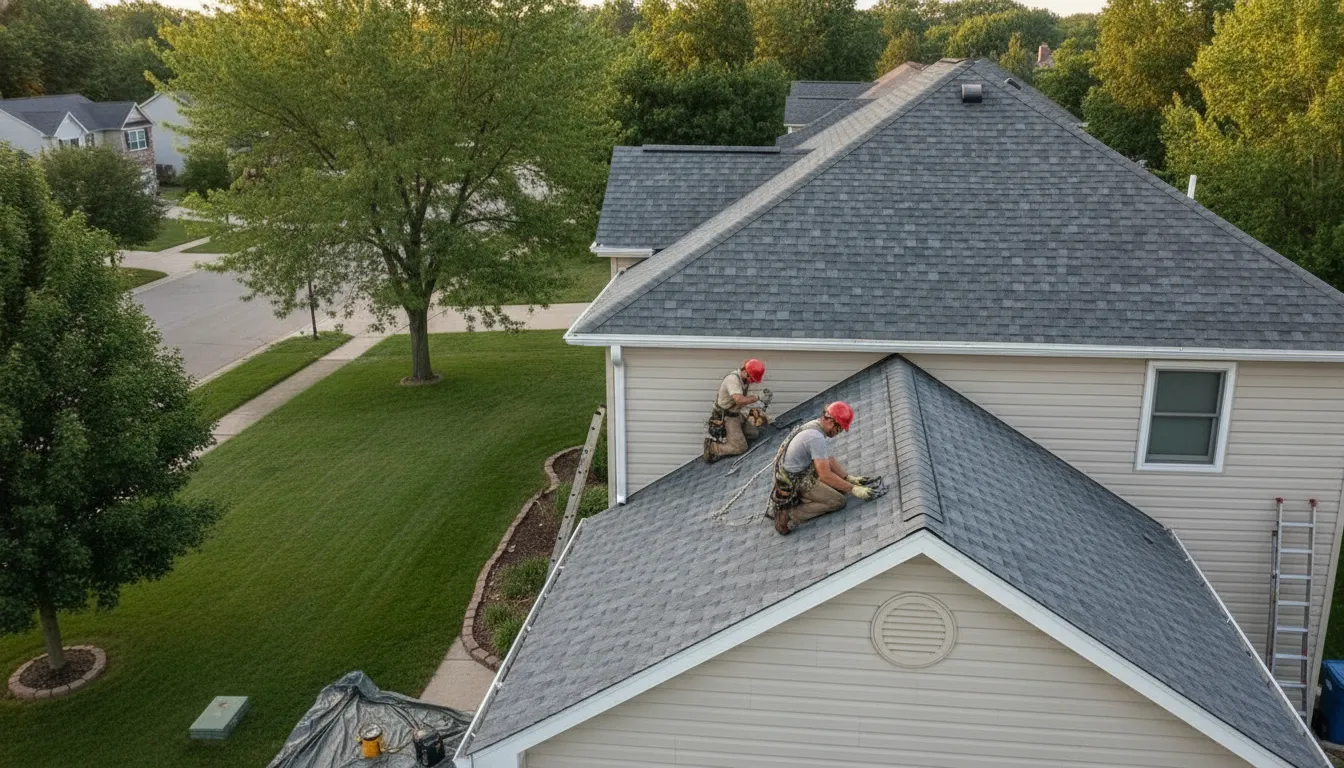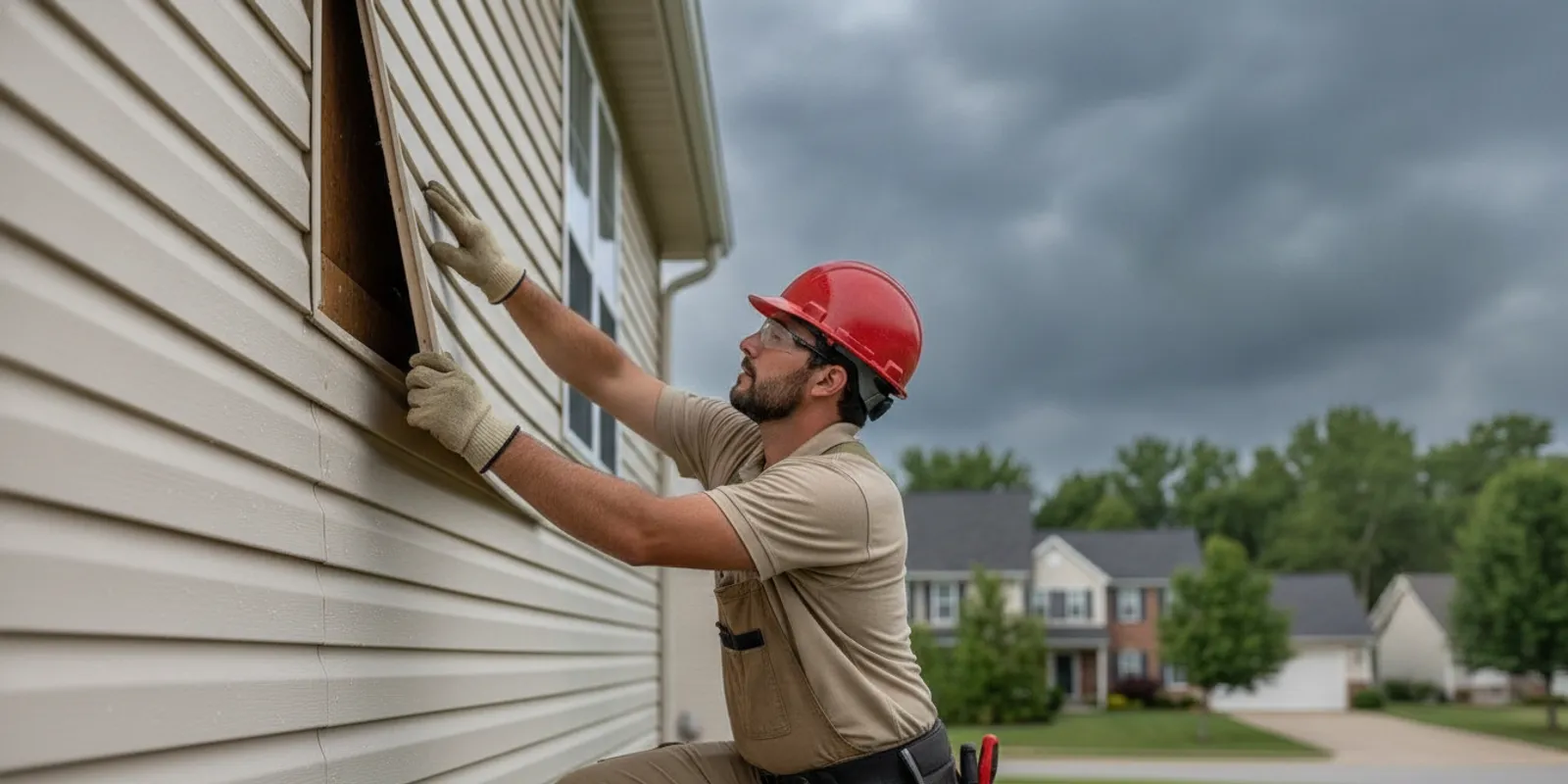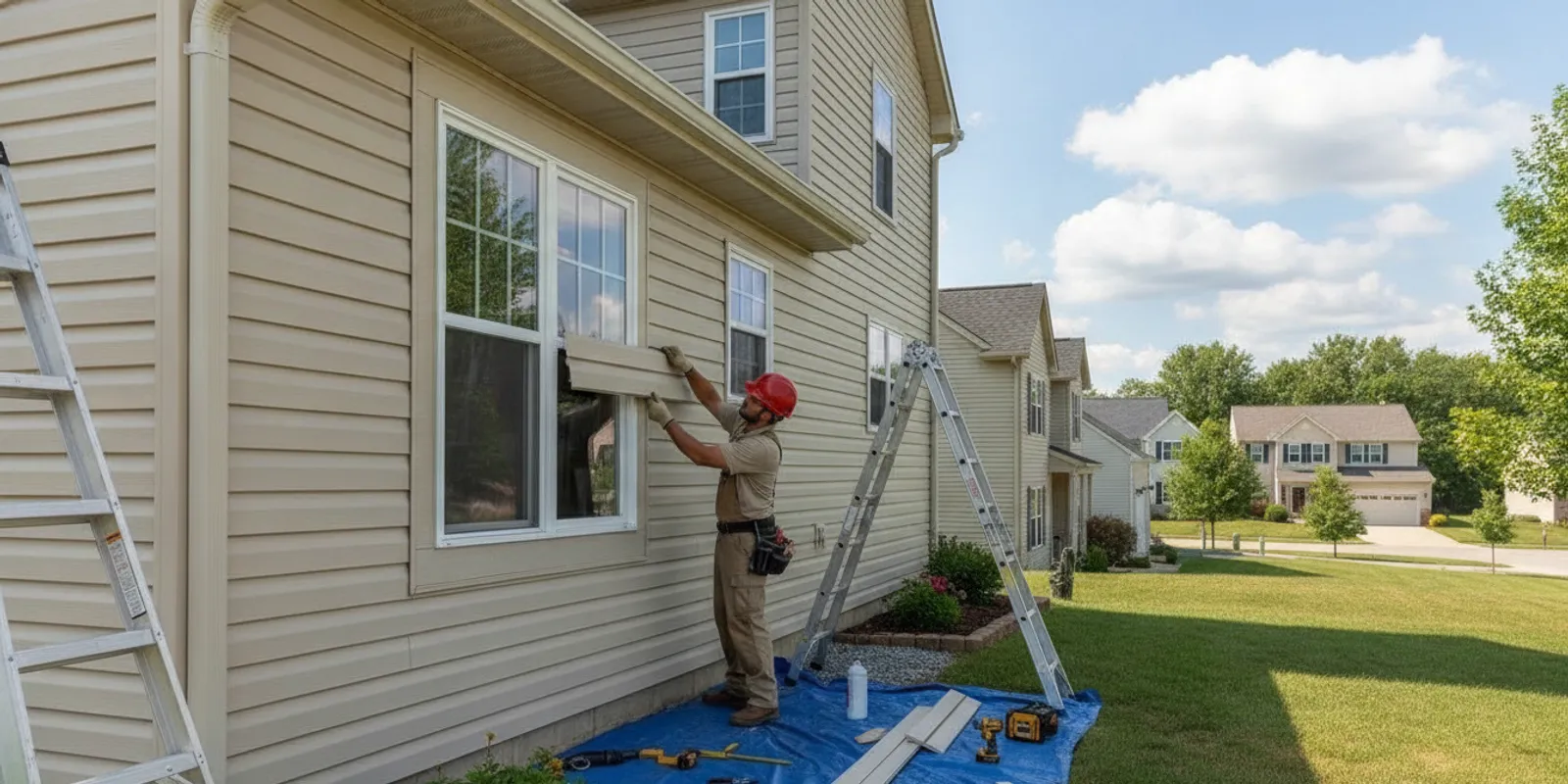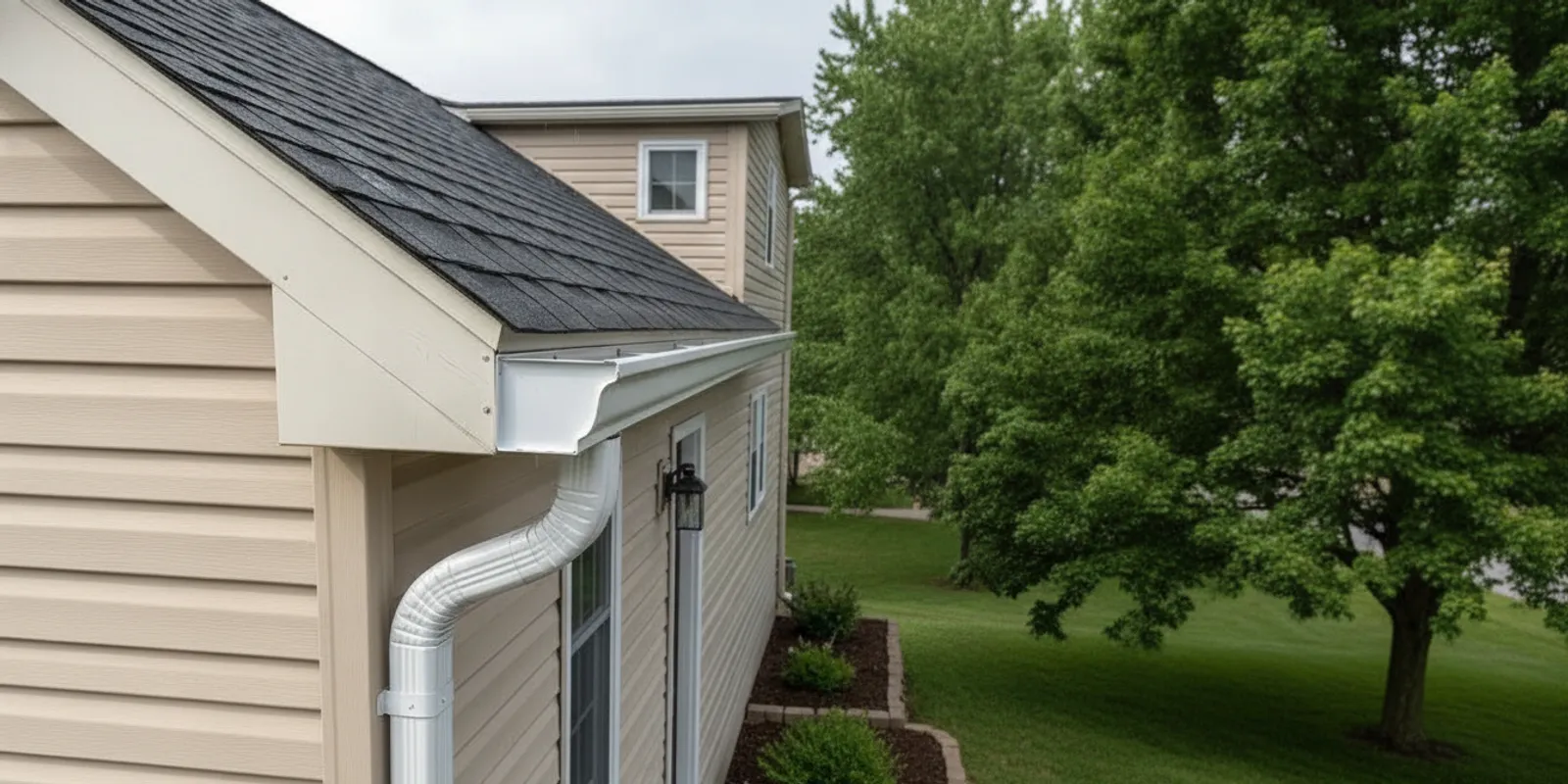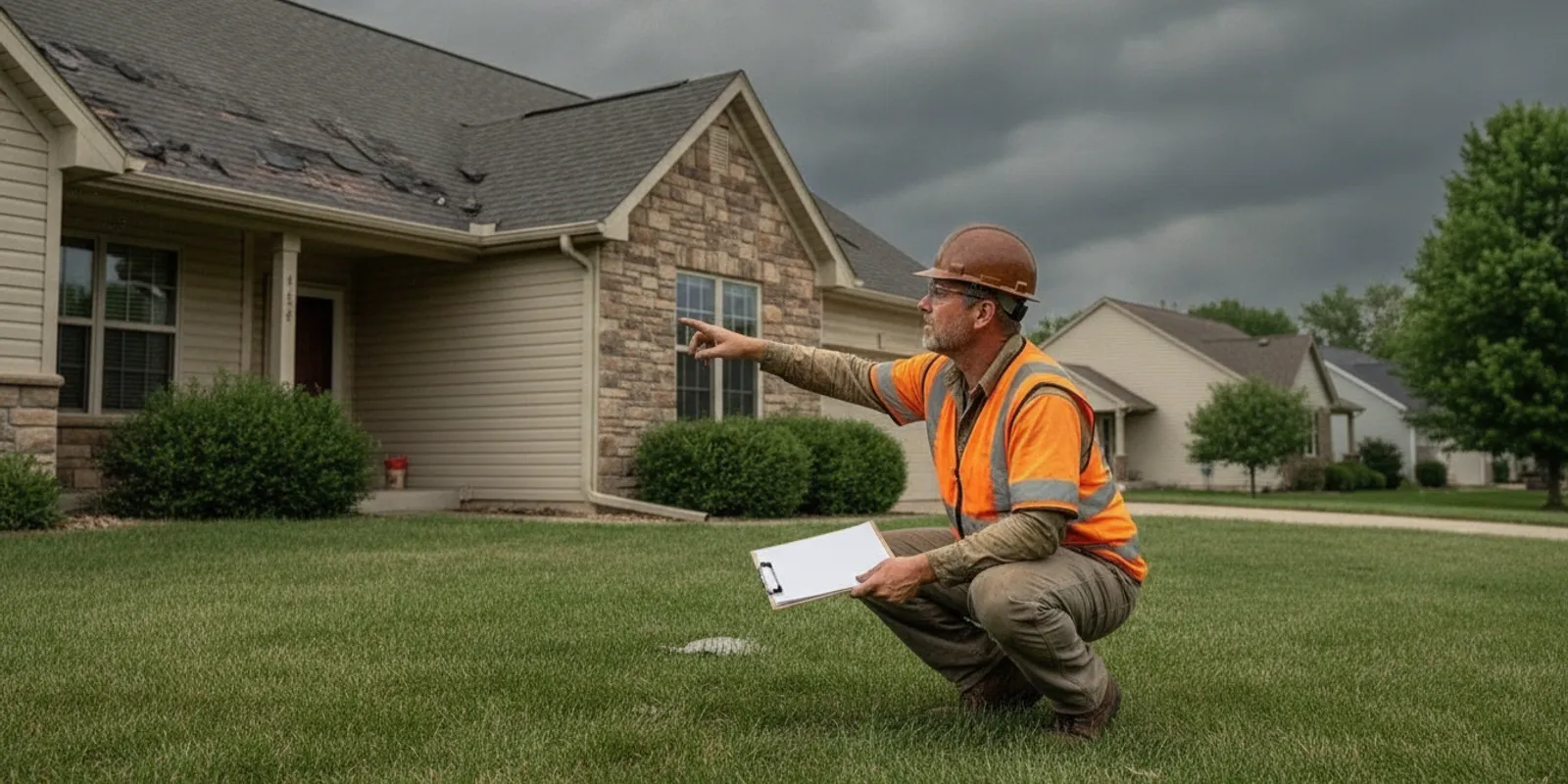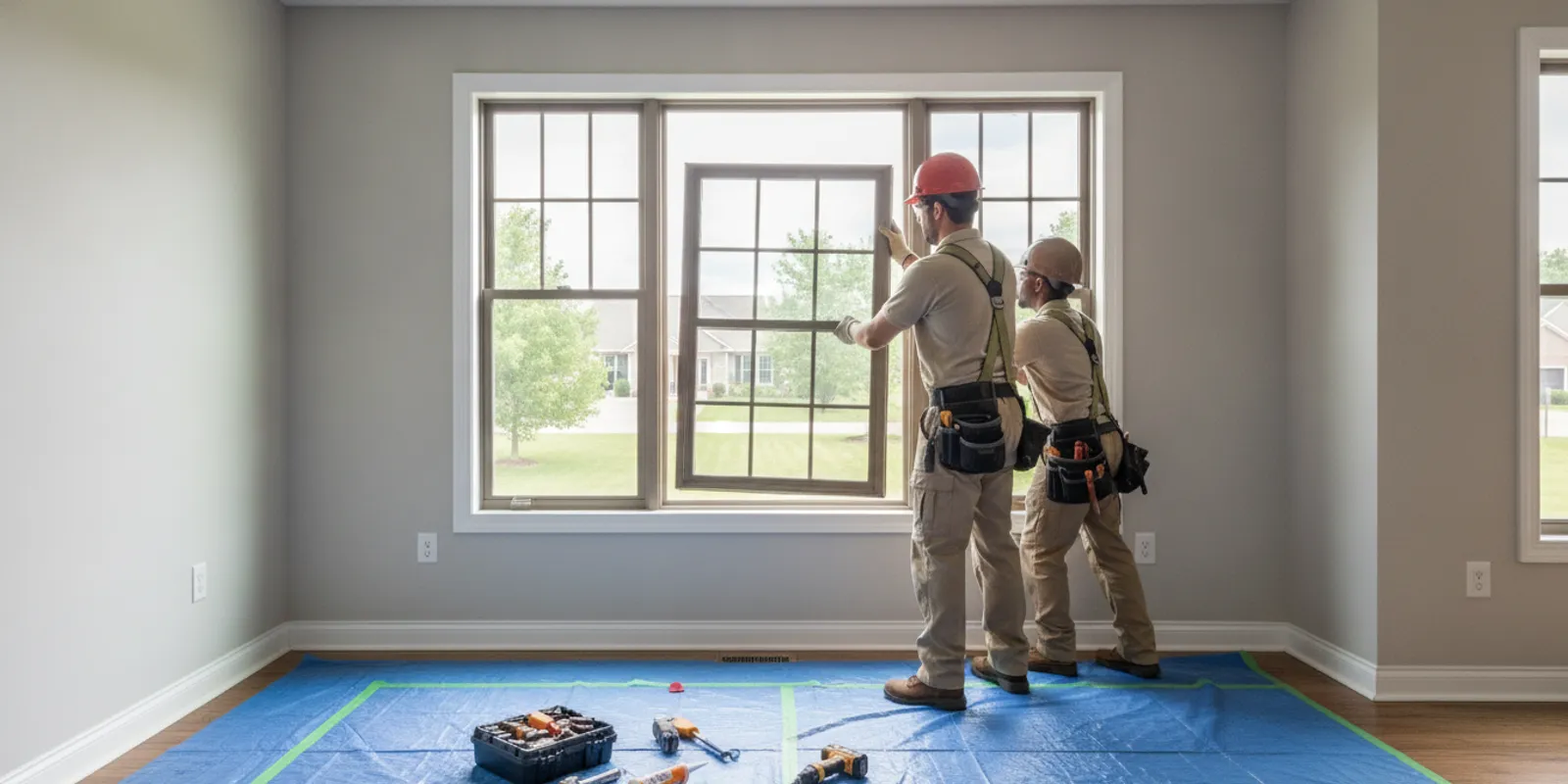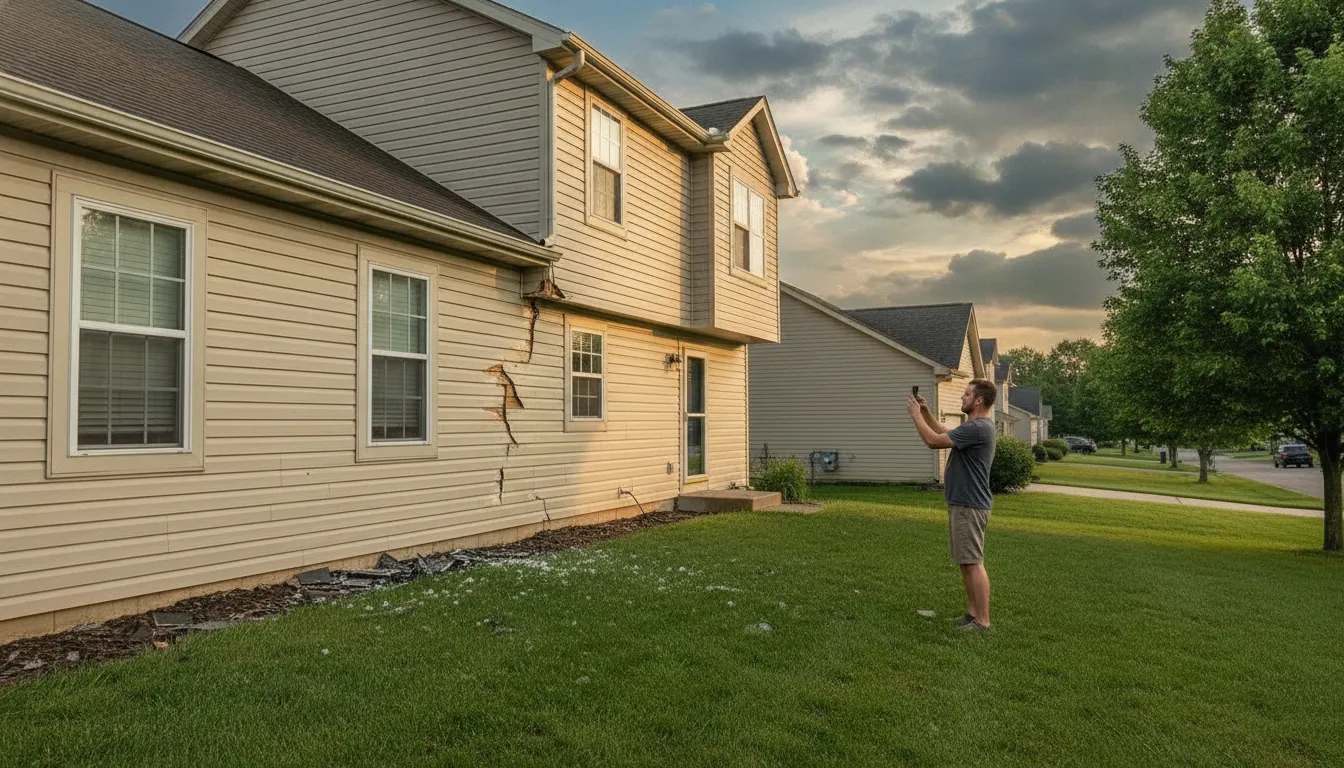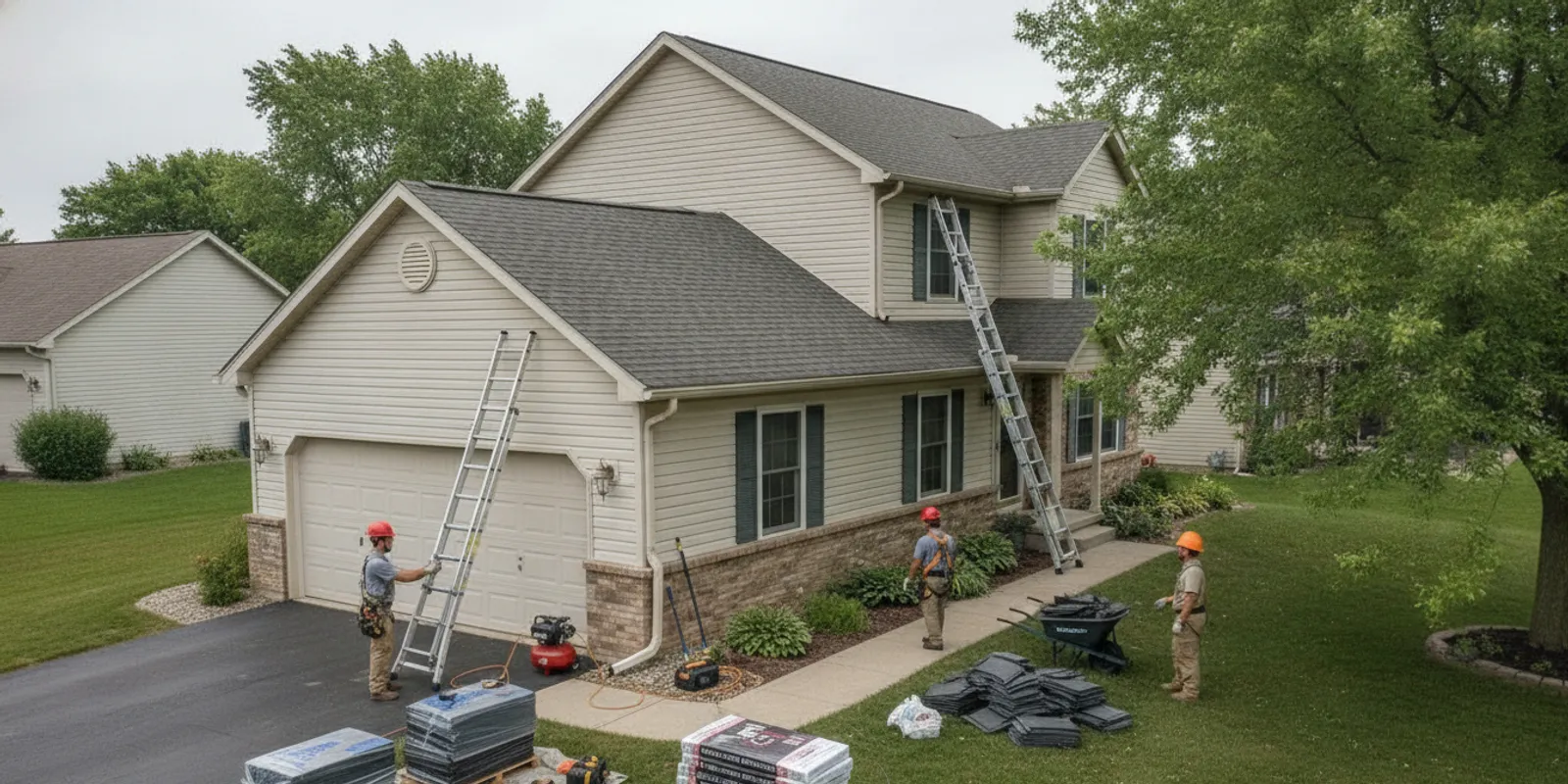
Planning roof installation in Cottage Grove, MN involves more than choosing a start date. Preparing the property, confirming the written scope, and knowing what to review at the end can make the process clearer for your household. Use this guide to organize the questions and practical steps before work begins.
Contact Referred Restoration online
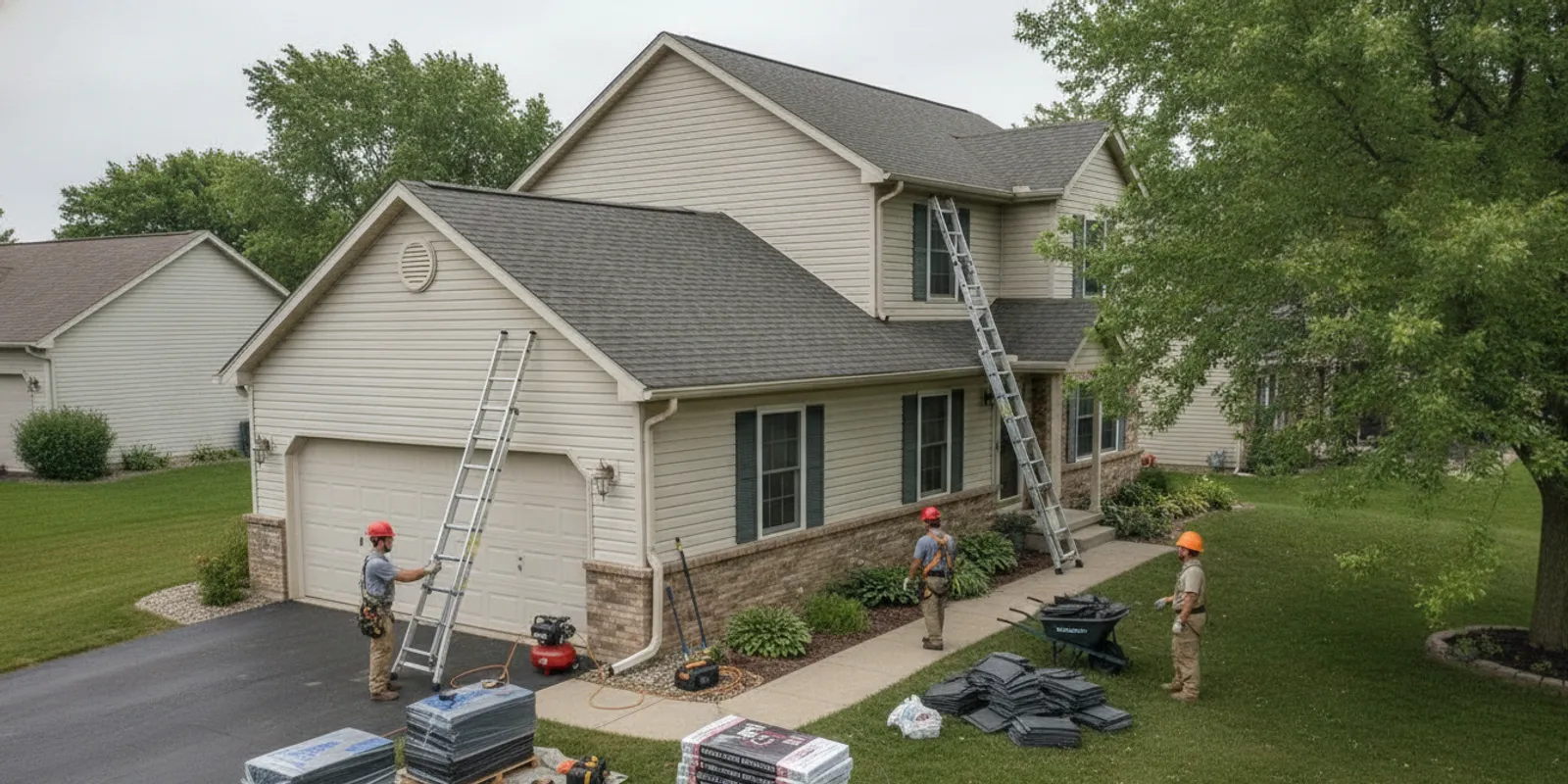
What should you confirm before roof installation cottage grove mn?
Start by clarifying what the project includes and what you need to do before the crew arrives. A date on the calendar is useful, but the work plan should also describe the roof areas involved, materials and related details, access needs, and how changes or unexpected conditions will be discussed.
Ask for a walk-through of the planned work. Confirm whether the scope includes removal of existing roofing, underlayment, flashing, ventilation details, and cleanup. These items can vary with the roof and proposal, so do not assume they are included without seeing them in writing. If an issue appears after tear-off, ask how the contractor will document it and seek your approval before proceeding with a changed scope.
- Which roof sections are included, and are any areas excluded?
- What materials and system components are named?
- How will the crew protect landscaping, walkways, and nearby property?
- Who is your day-to-day contact if plans change?
- How will debris removal and final cleanup be handled?
For local service information, see Referred Restoration’s Cottage Grove exterior restoration page. A clear starting conversation helps you identify what needs a written answer before scheduling.
How can you prepare your home and yard?
Roof work can involve noise, falling debris, and repeated movement around the home. Before the scheduled date, ask the contractor what preparations they recommend for your particular property. The following checklist covers common household considerations, but the crew’s site-specific instructions should take priority.
- Move vehicles. Clear the driveway and nearby parking area if they may be needed for equipment, delivery, or debris removal.
- Protect outdoor belongings. Move patio furniture, grills, planters, toys, and other items away from the roof perimeter when possible.
- Plan for pets and children. Keep them away from work areas and consider how noise or open gates may affect routines.
- Check interior spaces. Remove fragile items from shelves or walls if vibration could disturb them, and ask the contractor whether any specific interior preparation is advisable.
- Identify access points. Discuss gates, outdoor outlets, water access if needed, and areas that should remain off limits.
- Tell household members. Share the expected work window and the agreed route for questions or urgent concerns.
Do not climb onto the roof to inspect or prepare it. Leave roof access and work-area safety to trained workers. If you have concerns about a tree, fence, garden bed, or other feature close to the home, point it out during the pre-work discussion and agree on reasonable protection steps.
Make a simple property-preparation plan
Walk around the home from ground level a few days before work. Note where vehicles normally park, which gates are locked, and which outdoor items are difficult to move. Share these details with the project contact instead of waiting until the crew is on site. If a vehicle must remain accessible, ask whether there is a safe location outside the work zone. Do not assume a driveway or side yard will remain available during active work.
Inside, consider rooms directly beneath the work area. Secure items that could shift on shelves, and plan for calls, naps, or remote work around expected noise. You do not need to empty the whole home. Focus on fragile objects and household routines that could be disrupted, then ask the contractor if your particular roof or work plan calls for any additional preparation.
What questions belong in the written work plan?
A useful proposal is specific enough for you to compare with the work completed. Ask for clear language rather than relying on verbal shorthand. If an important decision is made by phone or in person, request a written update so both sides have the same record.
| Topic | What to confirm | Why it helps |
|---|---|---|
| Work area | Roof sections included and any exclusions | Sets a clear boundary for the planned work |
| Materials | Specified shingle or roof covering, underlayment, flashing, and related components | Helps you understand the assembly being installed |
| Site protection | Approach for landscaping, windows, siding, driveways, and outdoor belongings | Sets expectations for protecting nearby property |
| Weather plan | How rain, wind, cold, or other conditions may affect timing | Clarifies how schedule changes will be communicated |
| Changes | How hidden conditions are documented and approved | Prevents confusion if the original plan needs revision |
| Closeout | Cleanup, walkthrough, and how to raise follow-up questions | Gives both sides a shared completion checklist |
Ask who will explain any material substitution and how it will be recorded. Also clarify what documentation you will receive after the work, such as product information or project records, if applicable. Keep your copy of the proposal and any revisions together so you can refer to the agreed scope at closeout.
Turn vague language into useful questions
If a proposal says “standard materials” or “complete installation,” ask what those phrases mean for your roof. Request names or descriptions of the components, the roof sections covered, and any exclusions. You are not expected to choose every technical detail without help; the goal is to understand what is being proposed and what questions remain open.
For example, if one document names flashing replacement while another says only “roofing work,” ask each contractor whether flashing is included and under what circumstances it might change. If a line says cleanup is included, ask which areas are covered and how leftover materials or debris are handled. These specific follow-ups make later comparison more meaningful without assuming that one particular scope fits every home.
How should Cottage Grove weather affect your plans?
Minnesota weather can change quickly. Rain, wind, snow, ice, or low temperatures may affect when roofing work can proceed and how a crew protects an open roof. Ask how the contractor evaluates conditions, how you will be notified about a delay, and what temporary protection is planned if work must pause.
Do not treat a weather delay as a reason to rush decisions. The priority is a safe, suitable work window and protection of the home. Before the date, decide how the household will receive updates. If you will be away, confirm the best contact method and whether the crew needs any access instructions.
Homeowners can also review local utility and service connection requirements when a project involves related exterior work. For example, the City of Cottage Grove publishes a residential sewer and water service connections document; it addresses those service connections, not roof installation requirements. For roofing-specific requirements, ask the contractor or relevant local authority rather than assuming that a general municipal detail applies to your roof.
Agree on how schedule updates will work
Ask whether you will receive an update the day before, on the morning of the planned work, or when conditions change. Confirm whether the crew will wait for conditions to improve, return on another date, or complete only the work that can be done safely. The exact response depends on the forecast, roof condition, and scope, so get a project-specific explanation instead of relying on a general promise.
Make a small plan for a delayed start. Decide who can move a vehicle if the new timing changes, whether pets need a different routine, and how household members will hear about the revised schedule. Save messages about date changes with the project documents. That record can help you keep track of the latest plan and avoid preparing for an outdated start time.
What should you expect on installation day?
At the start of work, confirm the crew knows the agreed access plan and any areas that need special care. Ask how you can reach the project contact during the day. Keep children and pets away from the work zone, and avoid walking beneath active roof work.
During the project, communication matters most when the actual roof condition differs from what was visible beforehand. If the crew identifies a concern, ask for a description and, when practical, photos. Review the proposed response and any scope revision before authorizing additional work. Keep notes of decisions and the time they were made.
Referred Restoration describes a process of inspection, custom solution, and professional installation. Its roofing service information can help you understand how to begin a conversation about a project. For work in Cottage Grove, confirm the details specific to your home and proposal directly with the contractor.
Keep a concise project record
Use one folder, whether digital or paper, for the proposal, revisions, schedule messages, and closeout documents. If a decision is discussed by phone, write down the date, the question, and the agreed next step. Then send a short confirmation through the communication channel the contractor uses, when appropriate. A simple record is easier to use than trying to reconstruct several conversations later.
When a hidden condition is raised, focus on four points: where it is, what was observed, what change is being proposed, and whether the change affects timing or the written scope. Ask for an explanation in plain language. Take time to review the revised plan before approving it. This approach helps keep an unexpected discovery separate from the original agreement.
What should you check before the crew leaves?
Arrange a final walkthrough or a clear closeout discussion. The goal is to compare the finished work with the written scope and make sure you know how to raise any remaining questions. You do not need to climb onto the roof; ask the contractor to explain the inspection and share appropriate photos or documentation.
- Review the completed areas against the proposal and any approved revisions.
- Ask how flashing, roof edges, penetrations, and other specified details were addressed.
- Confirm debris has been removed from the agreed work areas.
- Ask whether the crew performed a ground-level sweep and how magnetic nail collection was handled, if used.
- Check that outdoor items and access areas are returned to the agreed condition.
- Request any available product or project documentation and clarify the process for follow-up concerns.
Look at the ground, driveway, and landscaping from a safe location. If you notice a concern, take a photo and contact the project representative promptly. Make the question specific: describe the location, what you observed, and whether it appeared during the work or afterward.
Use the scope as your closeout checklist
Open the proposal and walk the property from the ground, checking only what can be viewed safely. If the scope lists several roof sections, ask the contractor to confirm each one is complete. If it names particular features or cleanup tasks, ask where those items were addressed. For anything that cannot be seen from the ground, request an explanation or suitable documentation rather than using a ladder yourself.
Separate observations from assumptions. “There is a piece of material beside the rear gate” is more useful than “the cleanup was not done.” “I cannot see the stated flashing detail from the ground; can you show me where it was completed?” gives the contractor a clear question to answer. This practical wording makes it easier to resolve a concern without treating an unseen detail as a defect.
How can you compare installation proposals fairly?
Look beyond a single total or a short description of the work. Compare proposals line by line, noting which roof areas, materials, protections, cleanup tasks, and closeout steps each one identifies. A low level of detail can make two offers difficult to compare even when they appear to describe the same project.
Use the same questions with each contractor. Ask how they assess the roof, what is included in the scope, how they handle discoveries after removal, and how weather changes affect the schedule. Request clarification for anything that is vague. If one proposal names a specific component and another does not, ask whether it is included rather than assuming it is absent or present.
Homeowners considering broader roof work may also review the company’s roof replacement information and its roof repair page to understand the kinds of conversations involved in evaluating repair and replacement needs. The right scope depends on the roof’s condition; an online page cannot substitute for an inspection of your home.
Compare like with like, not just line by line
Before you compare documents, list the essentials you want every proposal to address: areas of work, covering and associated components, removal or preparation, protection measures, handling of newly visible conditions, timing communication, cleanup, and closeout. Mark each item as specified, unclear, or not mentioned. This does not decide which contractor is right; it shows where you need more information.
Imagine one proposal identifies roof covering, underlayment, flashing, and disposal, while a second uses a short general description. The shorter document may cover the same items, but you cannot tell from the wording alone. Ask the second contractor to clarify in writing. Likewise, if a proposal includes an item that another excludes, ask whether that difference is intentional and what it means for the completed work. Clear answers help you make a decision based on scope and communication rather than assumptions.
What questions can you bring to the first appointment?
Having a short list makes it easier to use an inspection well. You can adapt these questions to your home:
- Which parts of the roof need work, and what did you observe?
- What work is included in the proposed scope, and what is not included?
- Which materials and related components are specified?
- How will the crew protect the home and yard?
- What weather conditions could change the schedule?
- How will unexpected conditions be shown and approved?
- Who should I contact during the project?
- What will the final walkthrough and cleanup include?
If you are requesting an inspection, gather any prior roof documents, photos of visible concerns taken from the ground, and questions about access or household schedules. Referred Restoration offers a contact form for inspection inquiries. Describe what you have noticed and ask what information would be useful before the appointment.
How should you prepare if you cannot be home?
You may not need to remain at home throughout installation, but make the arrangement with the contractor rather than guessing. Ask whether someone must be available at the start, whether the crew needs access to a gate or other area, and how approvals will be handled if an unexpected condition is found. Confirm which person can respond and how that person should be reached.
Before leaving, share any agreed access instructions and move vehicles or belongings as planned. Keep children and pets away from the work area even if the household is out. Do not leave a key or access code in an unsecured location; use the process you and the contractor agreed upon. If you cannot respond promptly during the day, ask how the crew will protect the home while awaiting a decision.
One useful arrangement is to identify a primary contact and a backup, then tell both what kinds of decisions they can make. If only the homeowner can approve a scope change, say so clearly. If you prefer photos before discussing a proposed change, include that expectation in the communication plan. A little preparation can prevent delays caused by uncertainty about who has authority to answer.
Request a roof inspection conversation
Frequently asked questions
Should I be home while the roof is being installed?
Ask the contractor whether anyone needs to be present and how the crew will communicate. If you will be away, confirm access instructions, the best contact method, and how approval for any scope change will be handled.
Can weather delay roof installation?
Yes. Conditions such as rain, wind, snow, ice, or cold may affect safe work and roof protection. Ask how schedule changes are decided and communicated for your project.
What if the crew finds a problem after removing the existing roof?
Ask the contractor to document the condition and explain the proposed response. Review any change to the scope in writing before authorizing it, and keep the updated record with your proposal.
Do I need to inspect the roof myself at the end?
No. Stay off the roof. Ask the contractor to explain the closeout review and provide appropriate photos or documentation for areas you cannot safely see.
What is a practical next step?
Before scheduling roof installation in Cottage Grove, write down your questions, prepare the work area as advised, and ask for a clear written scope with a communication plan. A careful conversation before work begins gives you a useful reference for the project and its closeout.